In today’s increasingly digital world, teaching kids coding has become an essential part of their education.
It’s not just about preparing them for future careers; it’s also about fostering problem-solving skills, creativity, and logical thinking.
If you’re looking to introduce your little ones to the fascinating world of coding, there are many engaging projects that can help them learn in a fun and interactive way. Let’s explore some step-by-step projects that can ignite their interest in coding.
A gentle introduction to coding begins with simple, hands-on projects that encourage exploration. One of the first projects you might consider is creating a basic animation using Scratch, a visual programming language designed for kids. Scratch lets children drag and drop code blocks to create stories, games, and animations.
To start, set up a Scratch account together. Once logged in, encourage your child to choose a character, known as a sprite. They can select from a variety of options or even upload their own image. The next step involves adding movements to the sprite. Start simple: perhaps a short animation where the sprite moves across the screen or changes costumes. This project allows children to grasp the fundamental concepts of coding while also sparking their creativity. As they progress, they can add sound effects or additional sprites, enhancing their understanding of how coding can bring ideas to life.
Another enjoyable project is building a simple web page. This can be a delightful way to introduce kids to HTML and CSS, the backbone of the internet. Begin by explaining what a web page is and showing them some examples of their favorite sites. Together, you can use a text editor like Notepad or an online platform like CodePen.
Start with the basics: creating a structure for the web page with HTML. Encourage your child to create headings, paragraphs, and images. As they become more comfortable, introduce CSS to style the page. They can choose colors, fonts, and layout options, allowing them to personalize their creation. This project not only teaches coding but also offers insights into web design, sparking a deeper appreciation for the technology they engage with daily.
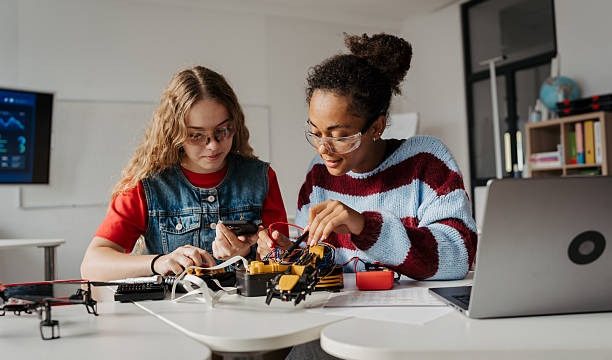
As you embark on these coding adventures, consider integrating robotics into the mix. Building a simple robot can be a thrilling experience for kids, combining coding with hands-on construction. Kits like LEGO Mindstorms or VEX Robotics provide all the necessary components and instructions.
Begin by guiding your child through the assembly of the robot. Once the physical structure is complete, it’s time to dive into coding the robot’s movements. Many of these kits come with user-friendly software that allows kids to program their robots using visual blocks or simple text-based coding. Encourage them to create challenges, like navigating a maze or completing a dance routine. This project not only reinforces coding skills but also teaches teamwork and critical thinking as they troubleshoot and refine their designs.
Exploring game development can also be a captivating way for kids to learn coding. Platforms like Roblox Studio and GameMaker Studio provide accessible environments for young creators. Start by brainstorming ideas for a game. It could be a simple platformer or a puzzle game—whatever sparks their imagination.
Guide your child through the process of designing the game world, characters, and rules. As they build their game, they will learn about coding logic, game mechanics, and user experience. Encourage them to share their game with friends and gather feedback, emphasizing the importance of iteration and improvement. This experience not only hones their coding skills but also fosters resilience and adaptability.
For a more artistic approach, consider a project that combines coding with music. Platforms like Sonic Pi allow children to create their own music through coding. This project can be a delightful blend of creativity and technical skill. Start by introducing them to the basic commands, allowing them to experiment with sounds and rhythms.
As they become more comfortable, encourage them to create a short piece of music, layering different sounds and beats. This project not only teaches coding but also fosters an appreciation for music and sound design. It’s a wonderful way for children to express themselves while learning valuable skills.
The beauty of these coding projects lies in their versatility. They can be adapted to suit different age groups and skill levels, ensuring that every child can engage meaningfully with coding. As you guide your child through these experiences, remember that the goal is not just to teach them how to code but to inspire a love for learning and creativity.
Encouragement and patience are key as children navigate the ups and downs of coding. Celebrate their successes, no matter how small, and help them view challenges as opportunities for growth. Create a supportive environment where they feel safe to explore, experiment, and even make mistakes. This approach fosters not only coding skills but also a lifelong love for learning.
Incorporating coding into your child’s life doesn’t have to be a daunting task. With engaging projects, you can create a rich learning experience that combines education with fun. As they explore coding through animations, web pages, robotics, games, and music, your child will not only gain valuable skills but also develop confidence and creativity.
As you embark on this journey together, you’ll discover that coding is more than just a technical skill; it’s a way to think, create, and connect. With each project, you’re opening the door to a world of possibilities, where your child can imagine, invent, and inspire. Embrace the adventure, and watch as they flourish in this exciting digital landscape.