In today’s world, technology plays an integral role in our daily lives.
From smartphones to smart homes, artificial intelligence (AI) is becoming a familiar presence.
As educators, parents, and caregivers, we find ourselves at a crossroads: how do we introduce these complex concepts to our youngest learners? Teaching AI concepts in primary education may seem like a daunting task, but it can also be a rewarding journey that sparks curiosity and fosters critical thinking in children.
A gentle introduction to AI
To begin, it’s essential to understand what AI means in a way that resonates with young minds. At its core, AI is about creating machines that can learn and make decisions, much like humans do. Children are naturally inquisitive, often asking questions like, “How does this work?” or “Can a robot think?” By framing AI in terms they already understand—like their favorite cartoons, video games, or even household gadgets—we can create a comfortable entry point for them.
For instance, consider how children interact with virtual assistants like Siri or Alexa. These friendly voices can answer questions, play music, or even tell jokes. Introducing AI through relatable examples allows children to see it as a helpful tool rather than something intimidating or foreign.
Encouraging exploration through play
One of the most effective ways to teach AI concepts is through play. Young children learn best when they are engaged and having fun. Incorporating games that involve problem-solving, logic, and even coding can help demystify complex ideas. For example, simple coding games and apps designed for children can introduce them to the basics of programming. As they manipulate characters or solve puzzles, they are effectively learning how algorithms work without even realizing it.
Storytelling is another powerful tool. By weaving narratives that involve AI characters or scenarios, educators can create a vivid context for learning. Imagine a story where a robot helps a child complete a task or solve a mystery. This approach not only captivates their imagination but also allows them to explore the implications of AI in a safe and controlled environment.
Fostering critical thinking and ethical considerations
As children learn about AI, it’s important to guide them toward critical thinking and ethical considerations. Discussions about how AI impacts our lives can help them understand both the benefits and challenges associated with this technology. Simple questions like, “What would happen if a robot made all the decisions?” or “How can we ensure that AI is used for good?” can inspire thoughtful conversations.
Encouraging children to think critically about AI can also help them develop a sense of responsibility. By understanding that technology is a tool that can be used for both positive and negative purposes, they can learn to approach it with a balanced perspective. This awareness will serve them well as they grow into the next generation of innovators and thinkers.
Connecting AI to other subjects
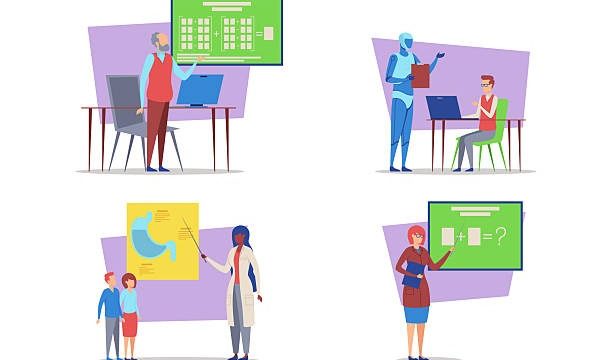
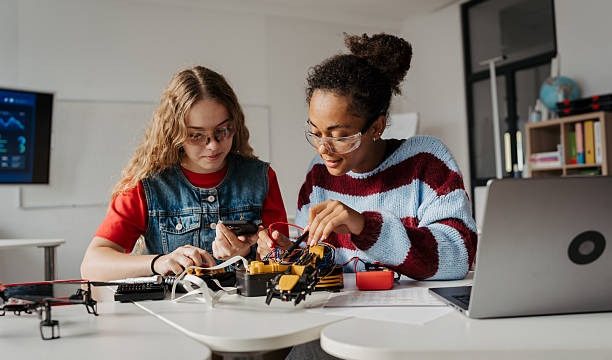
One of the joys of teaching is finding connections between subjects. AI is not just a standalone topic; it can be integrated into various areas of the curriculum. For instance, in science classes, discussions about AI can lead to explorations of robotics and how machines can mimic natural processes. In art class, students might create digital art using AI tools, allowing them to explore creativity through a technological lens.
By connecting AI to subjects like math, science, and even literature, educators can create a rich tapestry of learning experiences. This interdisciplinary approach not only makes the learning process more enjoyable but also helps children see the relevance of AI in their everyday lives.
Creating a supportive environment
As we embark on this journey of teaching AI concepts, it’s essential to create a supportive and inclusive environment. Children should feel safe to express their thoughts, ask questions, and explore ideas without fear of making mistakes. Encouraging collaboration among peers can foster a sense of community, where they can learn from one another and share their insights.
It’s also important for educators and parents to stay informed about AI developments. By understanding the landscape of AI, they can provide accurate information and guidance to children. Workshops, community events, and online resources can be invaluable in helping adults stay updated and engaged.
The role of parents and caregivers
Parents and caregivers play a crucial role in reinforcing what children learn about AI. Engaging in discussions at home, exploring educational resources together, and even experimenting with simple AI tools can enhance their understanding. When children see their parents taking an interest in technology, it encourages them to be curious and proactive learners.
Moreover, fostering a positive attitude toward technology can help children develop a sense of agency. Instead of viewing AI as something to be feared or avoided, they can learn to see it as an opportunity for creativity and innovation. This mindset will be essential as they navigate a world increasingly shaped by technology.
Looking toward the future
As we teach AI concepts in primary education, we are not just imparting knowledge; we are nurturing a generation of thinkers, creators, and problem solvers. The skills they develop today will prepare them for a future where technology will continue to evolve and shape our lives in ways we can only begin to imagine.
By introducing AI in a gentle, engaging, and thoughtful manner, we can empower children to embrace technology as a tool for good. As we guide them on this journey, we also remind ourselves of the importance of balance—between technology and humanity, between innovation and ethics, and between learning and play. In doing so, we cultivate not only informed individuals but also compassionate citizens ready to contribute positively to the world.