In today’s technology-driven world, understanding the basics of coding has become an invaluable skill for children.
Coding is not just for future software engineers; it fosters logical thinking and creativity, allowing kids to express themselves in a new language.
Fortunately, teaching coding doesn’t have to be a daunting task. There are many fun and engaging activities that can introduce children to the world of programming in a gentle, enjoyable way.
A playful introduction to coding concepts can start with simple games. Board games like “Robot Turtles” teach the fundamentals of coding through a fun adventure. Children move their turtles across the board by creating sequences of commands, all while learning about algorithms and problem-solving. This game encourages critical thinking and planning, as players must anticipate the moves of their opponents while navigating through obstacles. It’s a wonderful way to introduce coding logic without the need for screens, creating a relaxed family game night atmosphere.
Another delightful option is to incorporate storytelling into coding. Children love tales, and weaving coding concepts into a narrative can spark their imagination. For instance, you can create a story where characters must solve problems using coding principles. Perhaps a young hero needs to navigate through a maze to rescue a friend, using basic commands like “move forward” or “turn left.” This approach not only makes coding relatable but also enhances literacy skills, as children engage with both language and logic in a captivating context.
As children grow more comfortable with basic coding logic, hands-on activities can deepen their understanding. Building simple structures using LEGO bricks can be an excellent way to illustrate programming concepts. By creating a physical model, children can visualize how coding works in the real world. For example, they could build a small robot and then write a series of commands to guide it through an obstacle course. This tactile experience allows kids to see the immediate effects of their coding decisions, reinforcing the cause-and-effect relationship inherent in programming.
In the digital realm, there are countless resources designed to make coding fun and accessible. Platforms like Scratch provide a colorful and interactive environment where children can create their own animations and games. This platform uses a block-based coding language, allowing kids to drag and drop commands, making coding feel like a fun puzzle rather than a chore. With Scratch, children can express their creativity while learning to think like a programmer. They can share their projects with friends and family, fostering a sense of community and collaboration.
Exploring coding through art is another engaging pathway. Activities like creating digital art using tools such as Tynker or code.org allow children to merge their artistic skills with coding principles. By manipulating visual elements through code, they learn about concepts like loops and variables in a way that feels intuitive and exciting. This fusion of creativity and logic can inspire a deeper interest in both art and technology, encouraging children to see coding as a form of self-expression.
Nature can also serve as an unexpected but delightful backdrop for coding lessons. Organizing a scavenger hunt that requires children to follow coded clues can be an adventurous way to teach sequencing and logic. For instance, each clue could involve a simple command that leads to the next location. Not only does this activity promote physical movement and exploration, but it also encourages teamwork and communication. Kids will enjoy the thrill of the hunt while absorbing coding concepts in a playful manner.
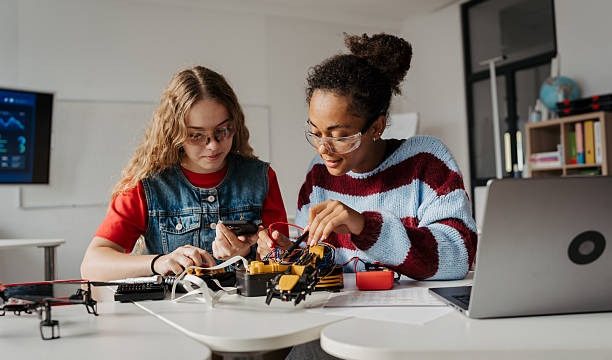
As children become more familiar with coding basics, introducing them to robotics can be a thrilling next step. Building and programming simple robots, like those offered by kits such as LEGO Mindstorms or Sphero, can ignite a passion for technology. These kits often come with user-friendly interfaces that guide children through the process of programming their robots to perform specific tasks. Watching their creations come to life can be incredibly rewarding, instilling a sense of accomplishment and encouraging further exploration in the world of coding.
Incorporating coding into everyday life can also be an enriching experience. Encourage children to observe the technology around them and think critically about how it works. Simple discussions about the apps they use or the games they play can lead to deeper understanding. Ask them how they might improve a favorite game or what features they would add. This kind of reflective thinking nurtures a mindset that values innovation and creativity, essential components of coding.
As families embark on this coding journey together, it’s important to maintain a relaxed and supportive environment. Celebrate the small victories and encourage curiosity and experimentation. Mistakes can be valuable learning opportunities, so fostering a culture of resilience and exploration will help children feel more confident as they navigate the world of coding.
Ultimately, the goal is not just to teach children how to code but to inspire them to think critically, solve problems, and express their creativity. By integrating coding into fun activities, we can cultivate a generation of young thinkers who are not only tech-savvy but also equipped with the skills and confidence to navigate an increasingly digital world.
So, whether it’s through games, storytelling, hands-on projects, or digital art, there are countless ways to introduce children to the basics of coding. Embracing these activities can pave the way for a lifelong love of learning, creativity, and innovation. After all, the journey into the world of coding is as much about exploration and imagination as it is about logic and precision.