In a world increasingly driven by technology, introducing kids to coding can be a delightful journey filled with creativity and imagination.
While coding might sound like a serious endeavor, it can also be a fun and engaging experience that sparks curiosity and fosters problem-solving skills.
Here are some creative projects that can transform coding into a playful adventure for children.
One of the most captivating ways to introduce coding is through storytelling. Kids love stories, and combining narratives with coding can ignite their creativity. Consider a project where children create their own interactive story using simple coding platforms like Scratch or Tynker. They can design characters, choose backgrounds, and write dialogue. As they code their stories, they learn to think logically and sequentially while expressing their unique voices. This not only boosts their coding skills but also enhances their literacy and storytelling abilities.
Another engaging project is game development. Children are often drawn to games, and what better way to immerse them in coding than by having them create their own? Platforms like Roblox and Minecraft offer kid-friendly environments where children can learn to code while building their own game worlds. They can start with simple mechanics, such as creating a basic obstacle course or a treasure hunt, and gradually incorporate more complex elements like scoring systems or enemy characters. Game development encourages kids to think critically and creatively while having fun, making coding feel like a natural extension of play.
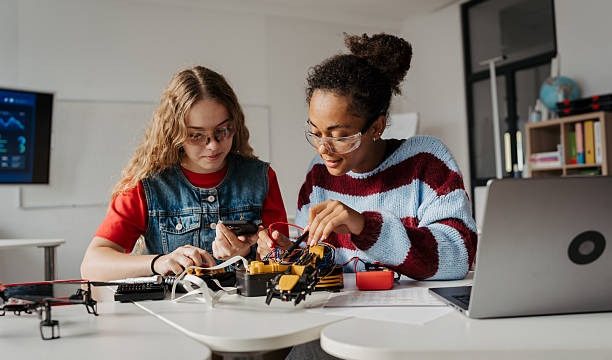
Exploring the world of robotics can also be an exciting avenue for young coders. Kits like LEGO Mindstorms or Sphero provide hands-on experiences that blend coding with building. Kids can construct their robots and then use coding to control their movements and actions. Imagine a child programming their robot to navigate a maze or perform a dance routine! Such projects not only teach coding but also foster teamwork and perseverance as children troubleshoot and refine their creations.
Art and coding are a beautiful combination that can inspire kids to express themselves in new ways. Platforms like Processing or p5.js allow children to create stunning visual art through code. They can experiment with shapes, colors, and animations, discovering how code can bring their artistic visions to life. This project encourages children to see coding as a medium for creativity rather than just a technical skill. The joy of watching their digital artwork evolve can be incredibly satisfying and empowering.
For those interested in music, coding can also be an avenue for musical expression. Applications like Sonic Pi allow children to compose music through coding. They can learn about rhythm, melody, and harmony while developing their coding skills. Imagine a child coding their own song and then performing it for family and friends! This project not only nurtures musical talent but also reinforces the idea that coding can be a form of creativity, bridging the gap between technology and the arts.
Gardening and coding might seem like an unusual pairing, but they can create a delightful learning experience. With projects like Arduino, kids can learn to code sensors that monitor soil moisture or control watering systems. They can create a smart garden that waters itself based on sensor data. This hands-on approach not only teaches coding but also connects children to nature and the environment. They will learn about responsibility and the importance of caring for living things while honing their technical skills.
As children explore these creative projects, it’s essential to cultivate a supportive environment. Encouragement and patience are key as they navigate the challenges of coding. Celebrate their successes, no matter how small, and remind them that making mistakes is part of the learning process. This nurturing approach helps build their confidence and resilience, essential qualities for any budding coder.
Incorporating coding into family activities can also enhance the experience. Consider setting aside a family game night where everyone participates in coding challenges or collaborates on a project. This not only strengthens family bonds but also demonstrates that coding is a valuable skill that can be enjoyed collectively. Sharing the excitement of creating something together can deepen children’s interest in coding and technology.
Moreover, exploring online resources can provide additional inspiration. There are countless websites, tutorials, and communities dedicated to teaching kids coding through fun projects. Engaging with these resources can spark new ideas and keep the learning process dynamic. Whether through online classes or community workshops, connecting with others who share an interest in coding can enhance children’s experiences and broaden their horizons.
As children dive into these creative coding projects, they not only learn technical skills but also develop critical thinking, problem-solving, and collaboration abilities. The beauty of coding lies in its versatility; it can be a tool for storytelling, art, music, and even environmental stewardship. By making coding a fun and integral part of their lives, we empower the next generation to embrace technology with enthusiasm and creativity.
In conclusion, the journey of teaching kids to code can be a joyful and enriching experience. Through storytelling, game development, robotics, art, music, and even gardening, children can discover the endless possibilities that coding offers. By fostering a supportive and engaging environment, we can inspire them to explore their creativity and cultivate a lifelong love for learning. As we guide them on this path, we are not just teaching them to code; we are nurturing their imaginations and preparing them for a future where they can shape the world in remarkable ways.