In a world increasingly driven by technology, teaching kids to code has become more than just a trend; it’s a vital skill that opens doors to creativity and problem-solving.
The idea of coding can seem daunting to both children and parents, but when approached with a playful and imaginative mindset, it can transform into an enjoyable adventure.
Here, we explore some creative and fun ways to introduce coding lessons to children, turning a seemingly complex subject into an engaging experience.
The magic of storytelling meets coding
One of the most enchanting ways to introduce coding to kids is through storytelling. Children naturally gravitate towards stories, and by weaving coding concepts into narratives, they can learn to code while engaging with characters and plots they love.
Imagine a child creating a story about a brave knight who must navigate a maze to save a princess. By using coding platforms like Scratch or Tynker, they can program the knight’s movements, setting up challenges and rewards along the way. This approach not only teaches them coding logic but also enhances their creativity and critical thinking. The ability to visualize their code in the context of a story makes learning feel less like a chore and more like an exciting quest.
Interactive games as learning tools
Games are a powerful medium for learning, and coding is no exception. There are numerous online platforms that offer interactive games designed specifically for teaching coding principles. Websites such as Code.org and CodeCombat allow children to learn coding through gameplay, where they can solve puzzles and complete challenges.
These games often incorporate elements of strategy and teamwork, making them perfect for kids to play together. As they work through levels, they develop not only coding skills but also collaboration and communication skills. The thrill of seeing their code come to life in a game they helped create fosters a sense of accomplishment and encourages further exploration.
Hands-on projects inspire creativity
Engaging kids in hands-on projects is another wonderful way to make coding a fun and creative activity. Encouraging them to build simple websites, design games, or even create animations can bring coding concepts to life. Projects like building a personal blog or designing a digital poster allow children to express their ideas visually, merging art with technology.
By using platforms like WordPress for websites or Scratch for animations, kids can learn coding languages in a practical context, which enhances their understanding. The satisfaction of completing a project can also motivate them to take on more complex challenges as they see the tangible results of their efforts.
Incorporating robotics into coding lessons
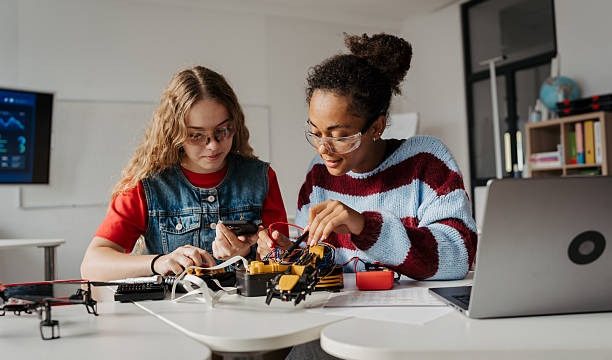
Robotics has a natural appeal for many children, and integrating it with coding can spark a deeper interest in technology. Building and programming robots can be an exciting way to teach coding concepts. Kits such as LEGO Mindstorms or VEX Robotics provide a hands-on experience, allowing kids to construct their robots and then write code to control their movements.
The process of seeing a robot perform tasks based on their code can be incredibly rewarding. It connects abstract coding concepts to real-world applications, making the learning experience both practical and thrilling. The blend of creativity and technology involved in robotics encourages kids to think outside the box and explore the possibilities of what they can create.
Fostering a community of young coders
Creating a supportive community around coding can significantly enhance the learning experience. Whether through after-school coding clubs, community workshops, or online forums, being part of a group fosters collaboration and encourages kids to share their ideas and projects.
In such environments, children can learn from one another, celebrate each other’s successes, and find inspiration in each other’s creativity. A sense of camaraderie can make the learning process more enjoyable, as kids realize they are not alone in their coding journey. This community aspect can help to demystify coding and make it a shared adventure.
Encouraging exploration and curiosity
At the heart of any successful learning experience is the encouragement of exploration and curiosity. When introducing coding to kids, it’s essential to create an environment where they feel free to experiment and make mistakes. Coding is often about trial and error, and fostering a mindset that values learning from failures can inspire resilience and innovation.
Encourage children to pursue projects that genuinely interest them, whether it’s developing a game based on their favorite movie or creating a website for their pet. By following their passions, they are more likely to remain engaged and enthusiastic about learning coding. The journey becomes less about the destination and more about the joy of discovery.
The importance of patience and support
As kids embark on their coding journeys, it’s important for parents and educators to provide steady support and encouragement. Learning to code can be challenging, and having someone to guide them through the tough spots can make a world of difference. Celebrate their progress, no matter how small, and remind them that coding is a skill that improves with practice.
Being patient and understanding allows children to take their time and truly grasp the concepts, rather than rushing through lessons. This nurturing approach cultivates a love for learning that extends beyond coding, helping them build confidence in their abilities.
As we navigate a world increasingly influenced by technology, introducing children to coding in a creative and fun way can empower them to become innovative thinkers. By blending storytelling, interactive games, hands-on projects, and community support, we can transform coding lessons into an exciting adventure. This not only equips them with valuable skills but also encourages them to embrace their creativity and curiosity. In the end, the journey of learning to code can be as enriching and enjoyable as the skills they gain along the way.