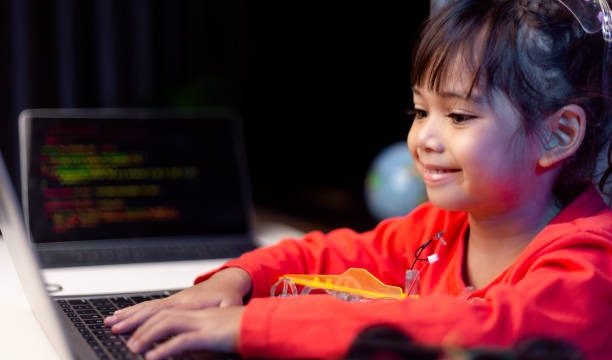
In a world that often emphasizes competition and grades, it’s easy for students to lose sight of their ability to be problem solvers.
Yet, this skill is not just essential for academic success; it’s vital for personal growth and resilience.
Encouraging students to see themselves as capable problem solvers can significantly enhance their confidence and overall approach to challenges.
A gentle nudge toward self-discovery
One of the first steps in helping students recognize their problem-solving abilities is to create an environment that fosters exploration. This doesn’t mean throwing them into complex situations without support; rather, it’s about encouraging them to engage with challenges in a thoughtful way. When students encounter obstacles, whether in their studies or in everyday life, they should feel empowered to take a step back and analyze the situation.
When students begin to view challenges as opportunities, they start to shift their mindset. Instead of feeling overwhelmed, they can approach problems with curiosity. This can be as simple as asking guiding questions: What seems to be the issue? What are some possible solutions? How might I approach this differently? These questions help students break down problems into manageable parts, making the process less daunting.
Cultivating a growth mindset
At the heart of becoming a problem solver lies the concept of a growth mindset—the belief that abilities and intelligence can be developed through dedication and hard work. Encouraging this mindset in students can transform the way they perceive their capabilities. When they understand that mistakes are not failures but rather stepping stones toward learning, they become more willing to tackle difficult challenges.
Teachers and parents can play a crucial role in nurturing this mindset. By celebrating effort rather than just outcomes, they can help students appreciate the journey of learning. When students hear that it’s okay to struggle and that persistence is key, they begin to internalize these values and apply them to their problem-solving efforts.
Fostering collaboration and communication
Problem solving is rarely a solitary endeavor. It often requires collaboration and communication with others. By fostering a sense of community in the classroom or at home, students can learn to work together to find solutions. Group projects and discussions provide a platform for students to share their ideas and perspectives, leading to richer, more diverse problem-solving approaches.
Encouraging students to communicate openly about their thoughts and strategies also builds their confidence. When they articulate their reasoning and share their solutions with peers, they reinforce their understanding and develop vital communication skills. This collaborative spirit can turn problem-solving into an enjoyable experience, rather than a stressful one.
Connecting learning to real life
Another effective way to encourage problem-solving skills is to connect academic concepts to real-life situations. When students see the relevance of what they are learning, they are more likely to engage with the material and seek solutions. For instance, discussing environmental issues, social justice, or community challenges allows students to apply their knowledge in meaningful ways.
Real-world problems often require creative thinking and innovative solutions. By presenting students with case studies or current events, educators can stimulate critical thinking and inspire students to brainstorm potential solutions. This practice not only enhances their problem-solving abilities but also instills a sense of responsibility and empowerment to effect change in their communities.
Encouraging reflection and resilience
As students navigate their problem-solving journeys, it’s essential to encourage reflection. Taking the time to think about what worked, what didn’t, and why can deepen their understanding of the problem-solving process. Reflection enables students to learn from their experiences, reinforcing their growth mindset.
Resilience is another crucial component of effective problem solving. Students will inevitably face setbacks, but teaching them to view these challenges as part of the learning process can help them bounce back stronger. Sharing stories of resilience—whether from historical figures, personal anecdotes, or literature—can provide inspiration and demonstrate that overcoming obstacles is a universal experience.
Creating a safe space for exploration
For students to thrive as problem solvers, they need to feel safe to express their thoughts and ideas. A supportive environment, whether in the classroom or at home, allows them to take risks without fear of judgment. Encouraging open dialogue and validating their feelings fosters a sense of belonging, which is vital for their emotional well-being.
Additionally, providing constructive feedback rather than criticism can nurture their confidence. When students receive guidance that focuses on their strengths and offers suggestions for improvement, they are more likely to embrace challenges rather than shy away from them.
Sparking curiosity and creativity
Curiosity is a powerful driver of problem-solving. Encouraging students to ask questions and explore their interests can ignite their desire to seek solutions. Allowing them to pursue projects or topics they are passionate about can lead to unexpected discoveries and innovative thinking.
Creativity also plays a significant role in problem solving. Encouraging students to think outside the box, brainstorm multiple solutions, and approach problems from various angles can enhance their ability to devise unique solutions. Activities like brainstorming sessions, art projects, or hands-on experiments can stimulate creative thinking and foster a love for exploration.
Embracing the journey
Ultimately, nurturing problem-solving skills in students is about embracing the journey rather than fixating on the destination. Each challenge they face is an opportunity for growth, learning, and self-discovery. By encouraging them to see themselves as capable problem solvers, we empower them to approach life with confidence and resilience.
As they navigate their academic and personal lives, students who view themselves as problem solvers will be better equipped to handle the complexities of the world around them. They will learn to embrace challenges, collaborate with others, and approach problems with curiosity and creativity. In doing so, they not only enhance their own lives but also contribute positively to their communities.
Encouraging students to see themselves as problem solvers is not just about academic success; it’s about nurturing resilient, confident individuals ready to tackle the challenges of tomorrow. In a world full of possibilities, fostering this mindset can truly make a difference.