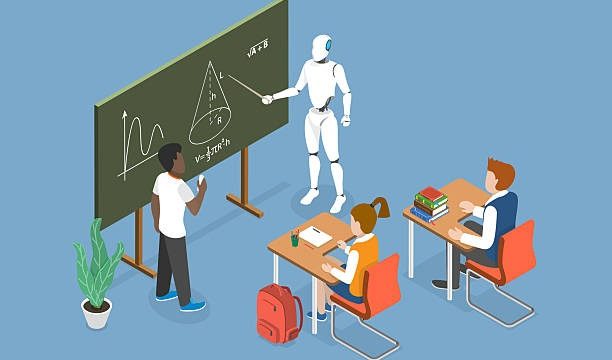
In today’s digital age, coding is becoming an essential skill for children, offering them a way to express their creativity while also preparing them for future opportunities.
Teaching kids coding doesn’t have to be a daunting task, and it can be a fun and engaging experience for both them and their parents.
Here are some delightful projects that can help spark a passion for coding in your little ones.
Creating a simple game can be an exciting introduction to coding. Platforms like Scratch provide an interactive environment where kids can drag and drop code blocks to animate characters and create their own games. It’s a fantastic way for them to learn basic programming concepts such as loops, conditionals, and events without the need for complex syntax. As they build their game, they can also explore storytelling elements, learning how to create engaging narratives alongside their coding skills.
Incorporating art into coding can also be a wonderful way to engage kids. With tools like Processing, children can learn to create stunning visual art through code. This project allows them to explore their artistic side while understanding how coding can be used as a medium for creativity. They can start with simple shapes and colors, gradually learning to manipulate variables to create more complex designs. This blend of art and technology not only makes coding approachable but also shows kids the diverse applications of programming.
Another enjoyable project is building a simple website. With user-friendly platforms such as WordPress or Wix, children can learn the basics of web design and development. They can create a personal blog or a website about their favorite hobbies, pets, or interests. This project introduces them to HTML and CSS, the fundamental building blocks of web development, while also allowing them to express their individuality. As they customize their site, they gain a sense of ownership and accomplishment that can be incredibly motivating.
For those who love storytelling, creating an interactive story using coding can be particularly engaging. Platforms like Twine allow kids to write stories where readers can make choices that influence the narrative. This not only enhances their writing skills but also teaches them about the logic of decision-making in programming. As they craft their stories, they learn to think critically and creatively, exploring different pathways and outcomes.
Exploring robotics can also introduce children to coding in a hands-on way. Many kits are available that allow kids to build their own robots and program them to perform various tasks. By using languages like Python or block-based coding interfaces, children can see the immediate results of their code in action. This tangible aspect of coding makes it thrilling, as they can watch their creations come to life. Whether it’s making a robot dance or navigate a maze, the possibilities are endless and encourage problem-solving and critical thinking.
Gardening enthusiasts can combine their love for nature with technology through coding projects like creating a smart garden. Using simple sensors and Arduino boards, children can learn how to monitor soil moisture and control watering systems. This project teaches them about both coding and environmental science, fostering a sense of responsibility for the world around them. It’s a beautiful way to connect technology with nature, showing kids how they can use their skills to make a positive impact.
For those interested in games, designing a simple app can be an exciting challenge. Using platforms like MIT App Inventor, children can create their own mobile applications. They can think of a problem they want to solve or a game they want to create, and then use coding to bring their idea to life. This project can be particularly rewarding, as they can share their app with family and friends, showcasing their hard work and creativity.
Engaging in coding challenges can also be a fun way to build skills. Websites like Code.org and Khan Academy offer interactive lessons and challenges that cater to different age groups. These platforms gamify learning, making it competitive and enjoyable. Kids can earn badges and certificates as they progress, motivating them to continue their coding journey.
As you explore these projects with your children, it’s important to create a supportive environment. Encourage them to ask questions, experiment, and embrace mistakes as part of the learning process. Coding is not just about finding the right answer; it’s about learning to think logically and creatively. Celebrate their successes, no matter how small, and remind them that every coder started as a beginner.
Finding a community can also enhance the coding experience. Many local libraries and community centers offer coding workshops and clubs for kids. These gatherings provide opportunities for children to collaborate, share ideas, and learn from one another. Being part of a community not only makes learning more enjoyable but also helps them build friendships with like-minded peers who share their interests.
As you embark on this coding adventure together, remember to keep the experience light and enjoyable. The goal is not just to teach your children how to code, but to inspire them to think critically and creatively. Encourage them to explore their interests and passions through coding, whether it’s games, art, or robotics. By fostering a love for coding early on, you’re equipping them with valuable skills that will serve them well in the future.
In conclusion, teaching kids coding can be a rewarding journey filled with creativity and excitement. By engaging in fun projects that resonate with their interests, you can help them discover the joy of coding while also nurturing essential skills for their future. Whether they become the next great programmer, artist, or storyteller, the foundation you provide will empower them to navigate the digital world with confidence and creativity.