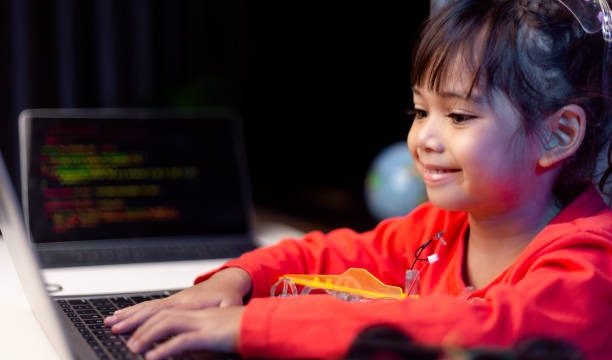
In our increasingly digital world, fostering creativity in young learners is more important than ever.
Programming is not just a technical skill; it’s a wonderful way for children to express their ideas and bring their imaginations to life.
When approached with a playful spirit, programming can be a delightful adventure, opening doors to creativity and problem-solving. Here are some engaging programming ideas designed to inspire young minds.
A gentle introduction to coding can happen in the most unexpected places. Consider starting with storytelling. Children have vivid imaginations, and bringing their stories to life through simple coding projects can be incredibly rewarding. Platforms like Scratch allow kids to create interactive narratives and animations. By dragging and dropping coding blocks, they can animate characters, create dialogues, and even set scenes. This not only helps them learn the basics of programming but also encourages them to think critically about story structure and character development.
Another delightful avenue is game design. Many children are naturally inclined to play games, and what better way to engage them than by letting them create their own? Using tools like Roblox Studio or GameMaker, young learners can dive into the world of game development. They can design levels, create characters, and even build rules for their games. This process teaches them not only programming skills but also valuable lessons in perseverance and creativity as they refine their ideas and troubleshoot issues.
Art and programming can also coexist beautifully. Platforms like Processing or P5.js allow kids to explore creative coding through visual art. They can create stunning graphics, interactive art pieces, or even generative art that changes with user input. This fusion of art and technology can be a powerful way for young learners to express themselves and explore their artistic abilities while learning how coding works behind the scenes.
Music is another captivating medium for creative programming. Children can explore sound and rhythm using platforms like Sonic Pi, which teaches coding through music creation. By writing simple lines of code, they can compose their own tunes, explore sound manipulation, and even create a unique musical performance. This not only nurtures their musical talents but also helps them understand the relationship between technology and creativity.
As young learners grow more comfortable with programming, they might enjoy venturing into robotics. Building and programming a small robot can be an exciting challenge that combines engineering, coding, and creativity. Kits like LEGO Mindstorms or Arduino allow children to construct their robots and program them to perform various tasks. This hands-on experience can ignite their interest in STEM fields, encouraging them to think critically and work collaboratively on projects.
The beauty of programming lies in its versatility. It can also be a fantastic means for kids to get involved in social change. Encouraging young learners to create projects that address issues they care about can be both empowering and enlightening. For instance, they might design an app that promotes recycling or creates a website that raises awareness about a cause they are passionate about. This not only teaches them coding skills but also instills a sense of responsibility and community engagement.
While diving into these creative programming projects, it’s important to foster an environment that encourages exploration and curiosity. Allowing children to experiment with their ideas, make mistakes, and learn from them is crucial. This process of trial and error is fundamental to both programming and creativity. Emphasizing that failure is a part of learning can help them build resilience and a growth mindset.
As parents or educators, it’s essential to provide support without taking over the creative process. Engaging in discussions about their projects, asking open-ended questions, and providing resources can help nurture their interests. Encouraging them to share their creations with friends and family can also boost their confidence and inspire them to keep exploring.
Creating a community around programming can further enhance the experience. Whether it’s a coding club, a workshop, or simply inviting friends over for a programming playdate, sharing ideas and collaborating on projects can open new avenues for creativity. This sense of community fosters a supportive atmosphere where young learners can thrive and inspire one another.
As we explore these creative programming ideas, it’s vital to remember that the journey is just as important as the destination. Encouraging young learners to express themselves, solve problems, and innovate can lead to a fulfilling and enriching experience. Programming can be a powerful tool for self-discovery, allowing children to explore their interests and passions while developing essential skills.
In a world where technology continues to evolve, equipping young minds with programming knowledge is a gift that will serve them well. By introducing them to coding in a fun, engaging way, we can inspire the next generation of thinkers, creators, and innovators. The possibilities are truly endless, and the world awaits their unique contributions.
Ultimately, the goal is to create a space where young learners feel free to explore, create, and learn. By embracing creativity in programming, we can help nurture a generation that not only understands technology but also uses it as a medium for self-expression, problem-solving, and positive change. So let’s encourage our young learners to dive into the world of programming, where their creativity knows no bounds.