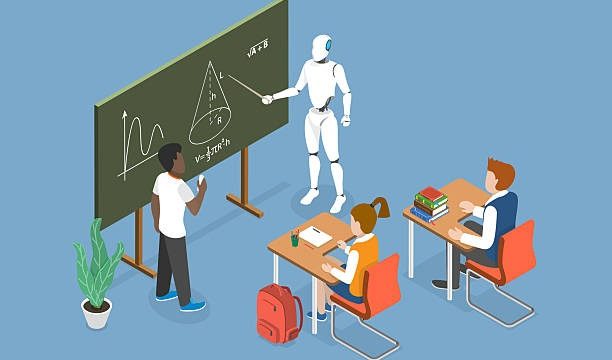
In today’s ever-evolving world, coding has become an essential skill, akin to learning a new language.
It opens doors to creativity, problem-solving, and innovative thinking.
For young learners, diving into the world of coding can be an exciting journey, filled with exploration and discovery. This article aims to guide parents and educators on how to introduce coding to children in a way that feels natural, engaging, and fun.
Understanding the Basics
Before embarking on this coding adventure, it’s important to understand what coding is. At its core, coding is the process of communicating with computers through a set of instructions. These instructions tell the computer what to do, enabling young learners to create games, animations, websites, and more. The beauty of coding lies in its ability to bring ideas to life, allowing children to express their creativity while developing critical thinking skills.
Creating a Positive Environment
To foster a love for coding, it’s essential to create a supportive and encouraging environment. Children thrive when they feel safe to explore and make mistakes. Start by introducing coding in a relaxed manner. Rather than presenting it as a daunting task, frame it as a fun puzzle to solve. Celebrate small achievements along the way, whether it’s writing their first line of code or successfully debugging a program. These moments of joy will nurture their passion for learning and build their confidence.
Exploring Resources and Tools
In the age of digital learning, a plethora of resources is available to help young learners get started with coding. From interactive websites to engaging apps, the options are endless. Platforms like Scratch, Code.org, and Tynker offer age-appropriate lessons that guide children through the basics of programming in a playful manner. These resources often incorporate games and challenges, making learning feel like an adventure rather than a chore.
In addition to online tools, consider introducing physical coding toys. Products like LEGO Mindstorms and Osmo Coding turn coding into a hands-on experience, allowing children to see the immediate results of their efforts. This tactile approach can be particularly beneficial for younger learners, as it combines play with education in a seamless way.
Starting Simple
When beginning the coding journey, it’s wise to start with simple concepts. Introduce children to basic programming ideas, such as sequences, loops, and conditionals. These foundational elements are the building blocks of more complex coding languages. Engaging stories or relatable analogies can help make these concepts more digestible. For example, explaining loops through the repetitive actions of a dance can spark interest and understanding.
As children grasp these basics, gradually introduce them to more advanced topics. This gradual progression ensures that they remain engaged and motivated, avoiding feelings of overwhelm. Remember, the goal is to cultivate curiosity and a willingness to learn, rather than rushing to mastery.
Encouraging Collaboration
Learning coding can be a solitary pursuit, but it doesn’t have to be. Encourage young learners to collaborate with friends or family members. Working together on coding projects can foster teamwork and communication skills. Consider organizing coding playdates where children can share ideas, troubleshoot problems, and inspire each other. This collaborative spirit not only enhances their learning experience but also builds lasting relationships.
Incorporating Creativity
One of the most exciting aspects of coding is its potential for creativity. Encourage children to think beyond the technical aspects of coding and explore how they can express themselves through their projects. Whether it’s designing a video game that reflects their interests or creating an animation that tells a story, the possibilities are endless. By integrating creativity into coding, children can find joy in the process and develop a sense of ownership over their work.
Connecting to Real-World Applications
To deepen young learners’ understanding of coding, it’s beneficial to connect their projects to real-world applications. Discuss how coding is used in various fields, from healthcare to entertainment. This context can inspire children by showing them the impact of their skills in the world around them. Consider organizing field trips to local tech companies or inviting guest speakers who work in coding-related fields to share their experiences.
Nurturing Persistence
Coding is not always straightforward, and young learners may encounter challenges along the way. It’s crucial to nurture resilience and persistence. Encourage them to view obstacles as opportunities for growth rather than setbacks. Share stories of famous programmers who faced difficulties yet persevered to achieve success. This perspective can instill a growth mindset, helping children understand that learning is a journey filled with ups and downs.
Finding Balance
As with any learning endeavor, it’s important to find a balance. While coding can be captivating, it should not dominate a child’s life. Encourage breaks and time away from screens to ensure a well-rounded experience. Engaging in physical activities, arts and crafts, or simply spending time outdoors can provide a much-needed counterbalance. This holistic approach not only promotes overall well-being but also fosters creativity and fresh perspectives.
Celebrating Progress
As children continue their coding journey, take time to celebrate their progress. Whether it’s through showcasing their projects to family and friends or participating in coding competitions, recognition can be a powerful motivator. Create a space where they feel proud of their work and are excited to share it with others. This sense of accomplishment can fuel their passion for coding and inspire them to take on new challenges.
Conclusion
Learning to code is a rewarding journey for young learners that combines creativity, problem-solving, and collaboration. By creating a supportive environment, introducing engaging resources, and encouraging exploration, parents and educators can help children develop a lifelong love for coding. As they navigate this exciting world, they will not only gain valuable skills but also discover the joy of bringing their ideas to life. Embrace the journey, and watch as young minds flourish in the realm of coding.