In today’s digital age, programming has become an essential skill, not just for tech enthusiasts but for everyone.
Teaching children programming can be a delightful experience, opening doors to creativity, problem-solving, and logical thinking.
Fortunately, introducing kids to the world of coding doesn’t have to be daunting. With a sprinkle of imagination and the right approach, you can guide your little ones through fun and engaging projects that will spark their interest in programming.
A gentle introduction to coding
When thinking about how to introduce programming to children, consider starting with tools and languages that are designed with young learners in mind. Platforms like Scratch or Blockly provide a visual way to understand coding concepts without the need for complex syntax. These environments allow children to drag and drop code blocks, making it feel more like a game than a chore. It’s a wonderful way to allow them to experiment and create without the fear of making mistakes.
One engaging project to try is creating an animated story. Children can choose their characters, backgrounds, and sound effects, allowing them to weave a narrative uniquely their own. As they piece together their story, they’ll learn about sequences, events, and even loops. This project not only nurtures their creativity but also introduces them to fundamental programming concepts in a playful manner.
The joy of games
Who doesn’t love a good game? Designing simple games can be a thrilling way to teach programming. Begin with something familiar, like a classic maze or a basic platformer. Platforms like Scratch provide templates to help children get started, allowing them to modify existing games or create their own from scratch. As they work on their games, they will learn about variables, conditionals, and user input.
Encourage them to think about what makes a game enjoyable. Is it the challenge? The visuals? The story? This reflection can lead to deeper discussions about game design and the elements that captivate players. Plus, once they’ve created their game, they can share it with friends and family, bringing a sense of accomplishment and pride.
Exploring robotics
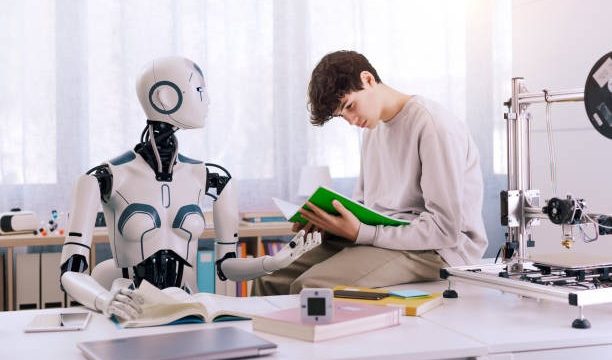
For those with a little more curiosity, integrating programming with robotics can be an exciting venture. Many educational kits allow children to build their own robots and program them to perform specific tasks. This hands-on approach not only makes learning fun but also shows them the tangible results of their coding efforts.
Imagine a child programming a robot to navigate through an obstacle course they’ve created. As the robot encounters challenges, it’s a perfect opportunity for young minds to troubleshoot and refine their code. They’ll learn that programming is not just about writing code but also about thinking critically and solving problems in real time.
Crafting with code
Combining art and technology can lead to beautiful creations. Introduce children to programming through creative coding projects, such as generative art. Using simple coding environments, they can create stunning visuals by manipulating shapes, colors, and patterns. This fusion of creativity and logic can be incredibly empowering, allowing them to express themselves while learning coding fundamentals.
Encourage them to experiment with different parameters, observing how small changes can lead to vastly different outcomes. This exploration promotes a growth mindset, where they understand that making adjustments is a natural part of the creative process. The result is not just a piece of art, but a deeper appreciation for the intersection of art and technology.
Building a digital garden
Another delightful project is creating a digital garden. Using programming tools, children can design and code their own virtual garden, complete with flowers, trees, and even animated creatures. This project can serve as a wonderful introduction to concepts like functions and loops. As they design their garden, they’ll learn how to make elements grow, bloom, or interact with each other.
This project can also spark discussions about nature and the environment, allowing children to reflect on the beauty of the world around them. They can even take it further by incorporating real-world data, such as weather patterns, to see how their digital garden might change based on different conditions. It’s a beautiful blend of creativity, learning, and environmental awareness.
The power of storytelling through code
Storytelling is a fundamental human experience, and combining it with programming can lead to some truly magical projects. Children can create interactive stories where readers make choices that affect the narrative. Using simple coding environments, they can learn about branching narratives and how decisions can lead to different outcomes.
This project not only hones their coding skills but also encourages them to think critically about storytelling. What choices will engage the reader? How can they create suspense or excitement? By weaving together coding and storytelling, children can see how programming can be a powerful tool for expression.
Encouraging collaboration
As children dive into these projects, encourage them to work collaboratively with friends or siblings. Sharing ideas and working together can enhance their learning experience. They can brainstorm, troubleshoot, and celebrate each other’s successes. Collaborative projects foster communication skills and teach the importance of teamwork, both of which are invaluable in the world of programming and beyond.
Incorporating coding into daily life
Lastly, consider ways to incorporate coding concepts into everyday activities. Simple tasks like cooking can introduce programming logic, such as following a recipe as a series of steps or using conditional statements (if this ingredient is available, then use it). This approach makes learning feel natural and integrated into their lives.
Teaching children programming can be a rewarding journey, filled with creativity and discovery. By engaging them in fun projects that resonate with their interests, you can nurture a love for coding that lasts a lifetime. As they explore and create, they’ll not only develop valuable skills but also build confidence in their ability to tackle challenges, both in programming and in life. So, gather some materials, let their imaginations soar, and watch as they embark on this exciting adventure into the world of programming.