Life in the Ottoman Empire
The Ottoman Empire, spanning over six centuries, was a vast and diverse realm that bridged continents and cultures.
Encompassing parts of Europe, Asia, and Africa, it was a melting pot of traditions, languages, and lifestyles.
To understand life in the Ottoman Empire is to appreciate a rich tapestry woven from different threads of human experience, each contributing to a vibrant society.
A blend of cultures and traditions
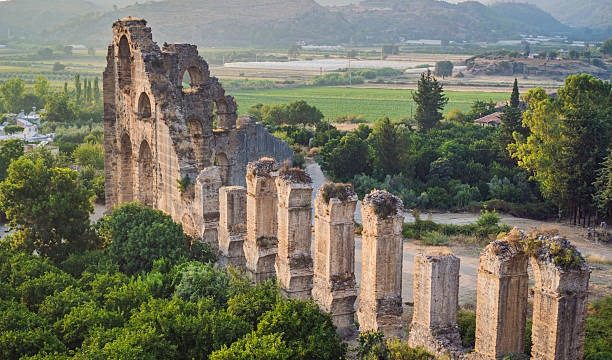
At the heart of the Ottoman Empire was Istanbul, formerly known as Constantinople, which served not only as the capital but also as a cultural hub. Here, the bustling bazaars echoed with the sounds of merchants haggling over spices, silks, and ceramics. The scent of fresh bread and roasted coffee wafted through the air, enticing both locals and travelers alike. The city’s architecture reflected its storied past, with grand mosques, palaces, and aqueducts speaking to the empire’s historical significance.
The empire was known for its religious tolerance, allowing various communities to flourish. Muslims, Christians, and Jews coexisted, each contributing to the social fabric. This coexistence fostered a spirit of collaboration and mutual respect, allowing diverse customs and celebrations to blend seamlessly. For example, during Ramadan, the Islamic holy month, the streets would come alive with festive lights and communal meals, while Christian holidays were also celebrated with great enthusiasm.
Family life and community ties
Family was the cornerstone of Ottoman society. Households were often large, including extended family members, which created a strong sense of community. Elders were revered, serving as the custodians of tradition and wisdom. Daily life revolved around shared meals, where families gathered to enjoy dishes rich in flavor and history. The cuisine was a reflection of the empire’s diversity, featuring ingredients and recipes from various regions.
In rural areas, life was closely tied to the land. Agriculture played a vital role, with families working together to cultivate crops and tend to livestock. These agrarian communities maintained a slower pace, allowing for a deep connection with nature and the rhythms of the seasons. Festivals celebrating the harvest were common, bringing neighbors together to share in the bounty of their hard work.
Urban life, on the other hand, offered a different experience. The pace was faster, with the hustle and bustle of city life shaping daily routines. Markets were crowded places where individuals could engage in lively discussions, share news, and connect with one another. The arts flourished in urban centers, with poets, musicians, and artisans showcasing their talents. The Ottomans placed great value on creativity, leading to a cultural renaissance that enriched the empire.
A small shift toward balance
Education and learning were highly esteemed in the Ottoman Empire. Schools, known as madrasas, were established to provide religious and secular education. Scholars and poets were celebrated figures, often invited to courts to share their knowledge and inspire others. The pursuit of knowledge was seen as a noble endeavor, and libraries filled with manuscripts were treasures of the empire.
As the empire expanded, it encountered new ideas and philosophies, leading to a dynamic exchange of knowledge. This openness to learning not only enriched the intellectual landscape but also fostered a spirit of curiosity among the populace. The Ottomans embraced innovation, particularly in architecture and engineering, leaving behind an enduring legacy that continues to inspire admiration today.
Social gatherings played an essential role in maintaining the balance between work and leisure. Coffeehouses became popular meeting places, where people gathered to discuss politics, share stories, and enjoy the company of friends. These establishments were more than just places to sip a warm beverage; they were vibrant centers of social life, fostering connections among individuals from different walks of life.
An appreciation for arts and beauty
The Ottoman Empire also had a profound appreciation for the arts, manifesting in various forms such as calligraphy, music, and ceramics. The intricate designs found in tile work and textiles reflected a deep understanding of aesthetics and craftsmanship. Artists often drew inspiration from nature, creating pieces that conveyed beauty and harmony.
Music, in particular, was an integral part of life in the empire. It was not merely entertainment but a means of expressing emotions and connecting with others. Traditional instruments such as the oud and ney filled the air with melodies that resonated with the soul. Celebrations and gatherings were often accompanied by music, enhancing the sense of joy and community.
As the sun set over the empire, the evenings would come alive with sounds of laughter and conversation. Families and friends would gather in courtyards, sharing stories and enjoying the warmth of companionship. The simple act of coming together to share experiences became a cherished ritual, reinforcing bonds and creating memories that would be passed down through generations.
Reflections on a rich heritage
Life in the Ottoman Empire was characterized by a unique blend of tradition and modernity, creating a society that was both rich and complex. The legacy of this remarkable empire continues to influence contemporary culture, inviting us to explore its history and appreciate the diverse experiences that shaped it.
In a world that often feels fragmented, the Ottoman experience reminds us of the beauty found in diversity and the strength of community. As we reflect on this rich heritage, we can draw inspiration from the values of tolerance, collaboration, and appreciation for the arts. Life in the Ottoman Empire serves as a gentle reminder of the importance of connection and the simple joys that come from sharing our lives with others.
Understanding this era is not just about looking back; it’s also about recognizing the threads that continue to weave through our lives today. In celebrating the past, we can find a path toward a more harmonious and enriched future.