The allure of medieval castles has captivated imaginations for centuries.
These formidable structures, rising majestically from the landscape, tell tales of power, protection, and the everyday lives of those who inhabited them.
As we embark on a journey through the history of medieval castles, we uncover not just their architectural evolution but also the cultural significance they held in shaping societies.
In the early medieval period, the concept of castles was rooted in practicality. Following the fall of the Roman Empire, Europe witnessed a rise in feudalism, a system where lords ruled over lands granted to them in exchange for military service. To protect their territories and assert their dominance, lords began constructing simple wooden fortifications. These early strongholds served as a refuge for local populations during times of conflict, marking the beginning of a new era in defensive architecture.
As the centuries unfolded, the need for stronger, more durable structures became apparent. The transition from wooden motte-and-bailey castles to stone fortifications during the 12th century represented a significant shift in castle design. The motte, a raised earthwork, was often crowned with a wooden keep, while the bailey, an enclosed courtyard, provided space for various activities. The introduction of stone not only enhanced the castles’ durability but also their imposing presence. With thick walls and narrow windows, these fortresses were designed to withstand sieges, showcasing the growing sophistication of medieval military architecture.
As we explore the architecture further, we find that castles were not merely defensive outposts but also symbols of wealth and power. The grandeur of a castle often reflected the status of its owner. The late medieval period saw the emergence of more elaborate designs, with features like towers, crenellations, and intricate stone carvings. These castles became centers of social life, hosting feasts, tournaments, and gatherings that brought together nobility and commoners alike. The castle’s design often included a chapel, living quarters, and even gardens, emphasizing the blend of functionality and elegance.
A small shift toward balance can be seen in the evolution of castle life. While castles were designed for defense, they also served as homes. The daily lives of those who resided within these stone walls were marked by a unique rhythm. Lords and ladies engaged in the management of their lands, while knights practiced their skills in the courtyard. Servants and craftsmen contributed to the castle’s functioning, creating a microcosm of medieval society. The interplay between the ruling elite and the working class within these walls offers a glimpse into the complexities of social structures during this period.
As the medieval period progressed, the role of castles began to change. With the advent of gunpowder in the late 15th century, traditional castle defenses became less effective. The introduction of cannons and artillery led to the decline of many castles as military fortifications. However, rather than disappearing entirely, castles transformed into luxurious residences for the nobility. The Renaissance brought a renewed interest in art and culture, prompting many castle owners to renovate their homes with grand interiors, beautiful gardens, and elaborate decorations.
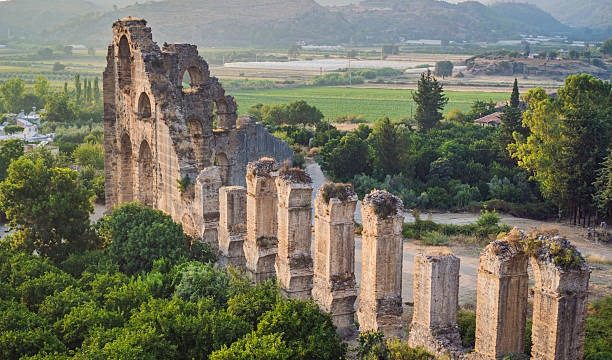
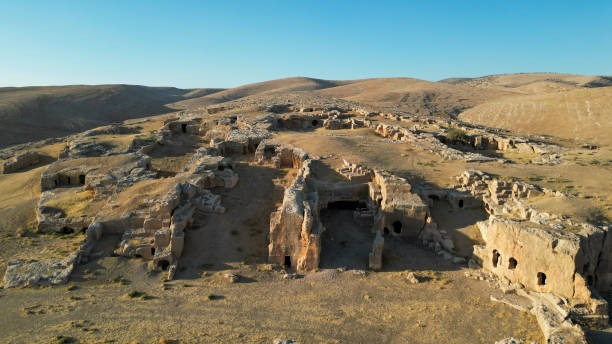
The decline of feudalism and the rise of centralized governments further influenced the fate of castles. Many were abandoned or repurposed, while others were preserved as symbols of national heritage. Today, these majestic structures stand as reminders of a bygone era, drawing visitors from around the globe who seek to experience a slice of history. Walking through the ruins of an ancient castle, one can almost hear the echoes of laughter, the clash of swords, and the whispers of secrets shared within those stone walls.
In modern times, the fascination with medieval castles has only grown stronger. They have become popular settings for literature, film, and tourism, often romanticized as the backdrop for tales of knights and princesses. This enduring legacy continues to inspire artistic expression, allowing us to connect with the past in meaningful ways. The stories of love, betrayal, and bravery that unfolded within these castles resonate with our contemporary lives, reminding us of the timeless human experience.
As we reflect on the history of medieval castles, we recognize their significance as both architectural marvels and cultural icons. They embody the spirit of a time when power was often measured by the strength of stone walls and the loyalty of knights. Yet, they also remind us of the humanity that flourished within their confines. Each castle tells a unique story, a testament to the lives lived and the battles fought, encapsulating the essence of an era that continues to inspire.
In exploring these historical treasures, we not only gain insight into the past but also find a sense of connection to our shared heritage. The legacy of medieval castles encourages us to appreciate the beauty of history, to seek understanding in the stories of those who came before us, and to cherish the lessons they impart. As we wander through the halls of these ancient structures, we are invited to envision the lives that once filled them, creating a bridge between the past and our present.
In a world that often feels fast-paced and disconnected, the timeless presence of medieval castles offers a gentle reminder of the importance of grounding ourselves in history, culture, and community. Whether we explore them in person or through the pages of a book, these magnificent structures serve as a source of inspiration, inviting us to reflect on our journey and the stories we continue to weave in the fabric of time.