In today’s digital age, introducing children to coding can be a delightful journey filled with creativity and exploration.
Coding isn’t just about learning a programming language; it’s an opportunity for kids to develop problem-solving skills, logical thinking, and even a sense of accomplishment.
So, let’s explore some fun projects that can ignite a child’s interest in coding while ensuring they enjoy every step of the way.
Creating simple games is often a fantastic entry point for young coders. Kids love games, and what better way to connect their interests than by helping them create their own? Platforms like Scratch provide a user-friendly interface that allows children to drag and drop code blocks to bring their ideas to life. Imagine a child designing a colorful character that jumps across the screen or a simple maze where a player must navigate to find a treasure. These projects encourage creativity while demonstrating the basics of logic and programming.
Another enjoyable project involves building a personal website. This activity not only introduces coding concepts but also allows children to express their individuality. They can create a space that reflects their personality, showcasing their favorite hobbies, pets, or even a collection of their artwork. Utilizing tools like HTML and CSS, children can learn how to structure a webpage and style it to their liking. It’s a wonderful way for them to see their work come together visually, fostering a sense of pride in their accomplishments.
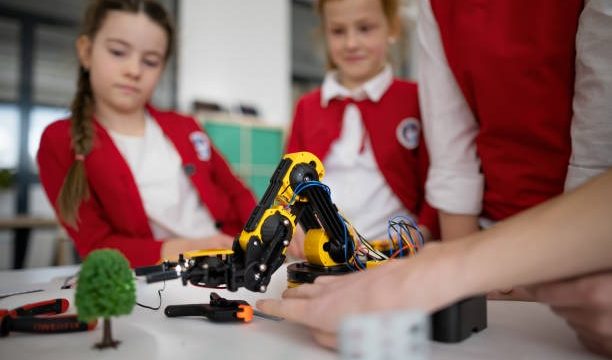
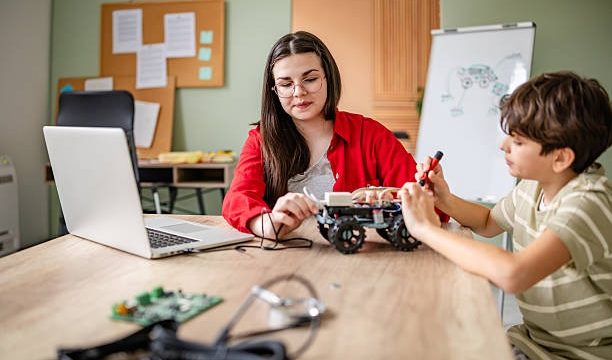
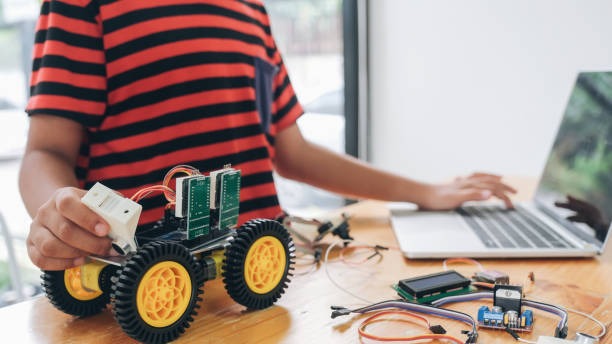
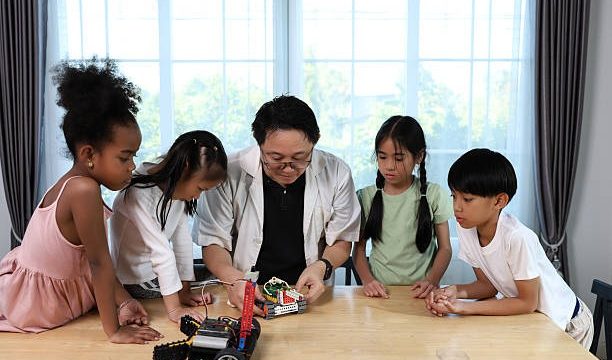
With the rise of robotics, engaging kids with coding through building and programming robots can be an exciting venture. Kits such as LEGO Mindstorms or even simple Arduino sets allow children to construct their own robotic creations. Once built, they can write code to make their robots move, respond to sensors, or even complete tasks. This hands-on experience not only enhances their coding skills but also encourages teamwork and collaboration if they choose to engage with friends or family on the project.
Exploring app development is another avenue that can captivate young minds. With tools like MIT App Inventor, children can design their own mobile applications without needing to delve deeply into complex programming languages. They can create apps that solve a problem, entertain, or even help organize their daily tasks. The ability to see their ideas transformed into functioning apps can be incredibly rewarding, providing a tangible outcome for their coding efforts.
A gentle introduction to coding can also be achieved through storytelling. Platforms such as Twine allow children to create interactive stories where readers can make choices that affect the outcome. This project combines narrative skills with coding concepts, as children learn to structure their stories and implement branching paths based on user decisions. It’s a lovely way for them to engage with both writing and coding, showing them how technology can enhance creative expression.
As children grow more comfortable with coding, they might enjoy the challenge of creating animations. Using tools like Scratch or Tynker, they can bring characters to life by adding motion and sound. They can design short films or animated stories, experimenting with timing and effects. This project not only teaches coding but also nurtures their artistic side, allowing them to explore visuals and sound in a whole new way.
Incorporating coding into everyday activities can also make learning feel more relevant. For instance, children can create simple programs that help them keep track of their favorite books or movies. They can learn to code a basic database using simple commands and logic, making it a practical application of their skills. This approach helps them see the value of coding in everyday life, fostering a deeper appreciation for the subject.
Integrating physical activity with coding can be a refreshing twist. Using tools like Makey Makey, children can turn everyday objects into controllers for games or interactive projects. For example, they could code a simple game that responds to bananas as buttons. This not only teaches coding concepts but also encourages creativity and playful exploration. It’s a wonderful way to engage their senses and make learning active and fun.
As we think about the various projects, it’s essential to remember that the goal is not just to teach coding but to inspire a love for learning and exploration. Each project offers a unique way for children to express themselves, solve problems, and gain confidence in their abilities. The beauty of coding lies in its ability to blend creativity with logic, providing a balanced approach to learning that can be incredibly rewarding.
Encouraging children to share their projects with family and friends can enhance their experience even further. This sharing fosters a sense of community and support, allowing them to celebrate their accomplishments together. Whether it’s showcasing their game at a family gathering or presenting their interactive story to friends, these moments can be incredibly affirming and motivating.
In conclusion, introducing children to coding through fun and engaging projects can set the foundation for a lifelong interest in technology and problem-solving. By focusing on creativity, collaboration, and practical applications, we can help them navigate the world of coding with excitement and curiosity. As they explore and create, they not only learn to code but also develop essential skills that will serve them well in the future. So, let’s embrace this journey together, encouraging our children to dive into the world of coding with open hearts and eager minds.