In an age where technology is woven into the very fabric of our daily lives, introducing young learners to coding can be a delightful journey.
Coding is not merely a skill for the future; it’s a way of thinking, a method of problem-solving, and a tool for creativity.
For children, engaging in coding challenges can spark curiosity and foster a sense of accomplishment.
Creating a space for children to explore coding should feel like an adventure rather than a chore. Here, we delve into easy coding challenges that can serve as stepping stones for young learners, encouraging them to embrace their creativity and analytical skills.
The joy of problem-solving
At its heart, coding is about solving problems. Young learners thrive on challenges that require them to think critically and creatively. A simple coding challenge can be as straightforward as asking a child to create a program that tells a story or simulates a game. By framing these tasks as playful explorations, children can engage with coding in a way that feels natural and enjoyable.
One effective way to introduce coding is through storytelling. Encourage children to pick their favorite story and translate it into a basic code. They can use platforms like Scratch, which allows users to create stories using simple drag-and-drop commands. This not only introduces them to coding concepts but also allows them to express their creativity. Imagine the excitement of seeing a beloved character come to life through their own coding efforts!
Building a foundation with block-based programming
Block-based programming languages are excellent gateways for young learners. These platforms eliminate the need for complex syntax, allowing children to focus on the logic of coding. Tools like Scratch or Blockly represent coding concepts visually, making it easier for children to grasp the basics.
A gentle challenge could involve creating a simple animation. Children can choose a character, add movement, and incorporate sounds. This challenge not only builds their understanding of sequences and loops but also encourages them to think about how to make their animations engaging. The sense of achievement that comes from seeing their creation come to life can be incredibly rewarding.
Encouraging teamwork through collaborative projects
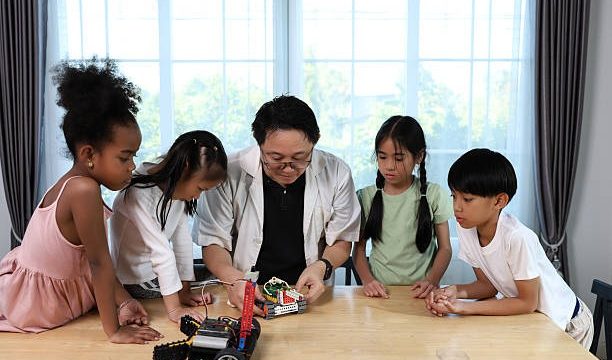
Coding doesn’t have to be a solitary endeavor. Working on projects with peers can enhance the learning experience, fostering teamwork and communication skills. Consider organizing a small coding group where children can collaborate on a project. They might decide to create a simple game together or develop a mini-website about a shared interest.
This collaborative approach allows young learners to share ideas, troubleshoot together, and learn from one another. It creates a supportive environment where they can feel comfortable experimenting and taking risks. The joy of coding is amplified when shared with friends, transforming challenges into shared victories.
Exploring coding through games
Games are a fantastic way to engage young learners in coding concepts without the pressure of traditional learning environments. Many online platforms offer coding games that introduce children to basic programming logic in a fun and interactive manner. These games often involve guiding a character through obstacles or solving puzzles, allowing kids to see immediate results from their coding decisions.
For instance, platforms like Code.org and Tynker offer a range of coding games that can cater to various age groups and skill levels. These games can serve as both a challenge and a source of entertainment, helping children develop their coding skills while having fun.
Nurturing creativity with art and design
Coding can also be a medium for artistic expression. Introducing young learners to coding challenges that involve art can inspire them to think outside the box. They might explore creating digital art using code, allowing them to combine creativity with technical skills.
A simple challenge could be to create a drawing application where they can use code to control colors and shapes. Platforms like Processing or p5.js offer accessible environments for children to experiment with visual coding. This not only fosters creativity but also helps them understand the relationship between code and visual output.
Fostering a growth mindset
As children engage in coding challenges, it’s essential to cultivate a growth mindset. Encourage them to view mistakes as opportunities for learning rather than setbacks. Coding, like any skill, requires practice and perseverance. By reinforcing the idea that challenges are a natural part of the learning process, children can develop resilience and confidence in their abilities.
Creating a supportive atmosphere where mistakes are welcomed can make a significant difference in how young learners approach coding. Celebrate their efforts and progress, no matter how small. The journey of learning to code is filled with exploration and discovery, and each step taken is a step toward growth.
Emphasizing the importance of patience
Coding is not always an immediate gratification experience. It often requires patience and a willingness to iterate on ideas. Young learners may become frustrated when their code doesn’t work as expected. Guiding them through these moments with understanding and encouragement can help them develop a stronger connection to the process.
Introduce challenges that require trial and error. For example, if they’re creating a game, encourage them to think about how they can modify their code to improve the gameplay experience. By emphasizing the importance of patience and persistence, children can learn to appreciate the journey of problem-solving.
Creating a lasting interest in coding
Ultimately, the goal of introducing young learners to coding challenges is to ignite a lasting interest in technology and problem-solving. By providing a variety of engaging challenges, we can help foster a love for coding that extends beyond the classroom. Encourage children to explore their interests, whether that’s through games, storytelling, or art.
As they embark on this journey, remind them that every coder started somewhere. Celebrate their milestones, and encourage them to keep pushing the boundaries of their creativity. With each challenge they tackle, they are not only learning to code but also discovering the joy of creating something uniquely their own.
In a world increasingly driven by technology, equipping young learners with coding skills can open doors to endless possibilities. By presenting coding as a fun and creative adventure, we can inspire the next generation of thinkers, creators, and innovators. With gentle guidance and support, we can help them navigate this exciting landscape, one challenge at a time.