In a world increasingly shaped by technology, nurturing coding skills in children can feel like planting seeds for a fruitful future.
Coding is more than just a technical skill; it fosters problem-solving abilities, enhances creativity, and encourages a mindset of perseverance.
By engaging kids in creative projects that teach coding, we can open doors to a deeper understanding of how the digital world works, all while keeping the learning process enjoyable and fulfilling.
A gentle introduction to coding can take many forms. One of the most accessible paths is through storytelling. Imagine a child crafting their own interactive story using simple coding platforms like Scratch or Tynker. These platforms allow kids to create animations and games by dragging and dropping code blocks. As they weave their narratives, children learn the basics of programming logic, such as sequencing and loops, all while expressing their unique ideas. The joy of seeing their characters come to life with a click can ignite a passion for coding that lasts a lifetime.
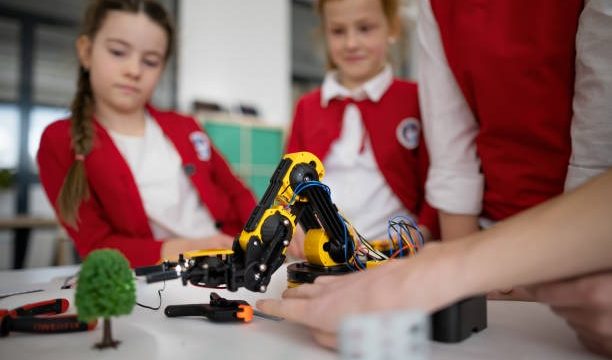
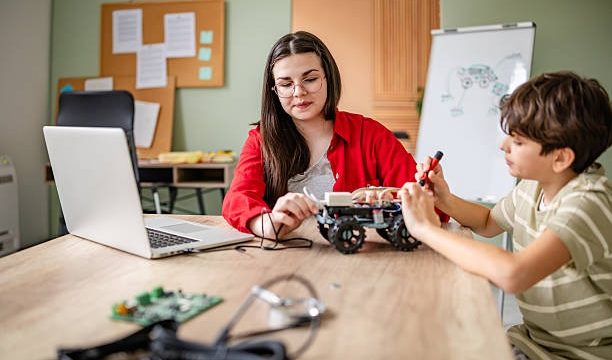
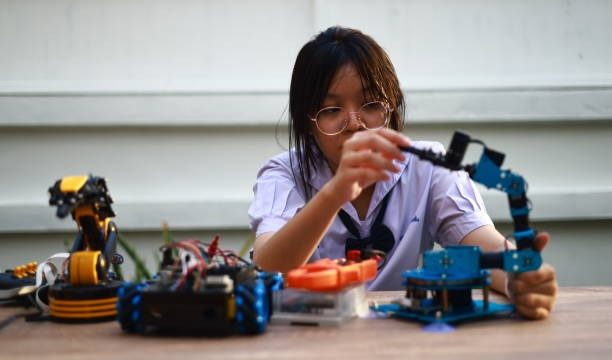
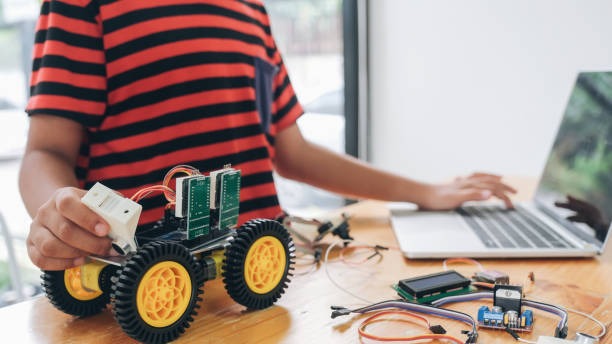
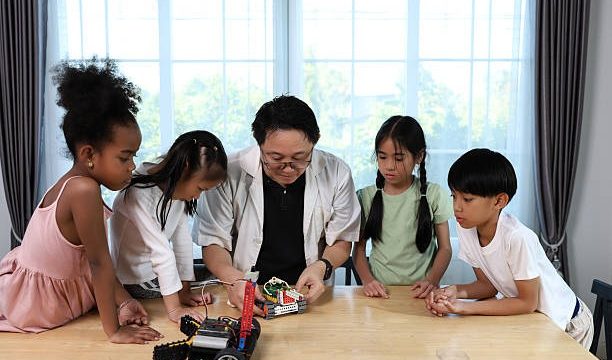
Exploring the world of robotics is another captivating way to cultivate coding skills. Building a simple robot using kits like LEGO Mindstorms or VEX Robotics encourages children to think critically and work collaboratively. As they construct their robots, they also learn how to program them to perform specific tasks. This hands-on experience not only makes coding tangible but also introduces concepts like algorithms and debugging in a fun, engaging manner. The thrill of watching a robot navigate an obstacle course or respond to commands can be a powerful motivator for young minds.
Art and coding can also dance together beautifully. Platforms like Processing and p5.js allow children to create stunning visual art through code. By manipulating shapes, colors, and patterns, kids can see the immediate results of their coding efforts. This blend of creativity and technology fosters a sense of accomplishment and encourages experimentation. As they explore the intersections of art and coding, children learn that there are countless ways to express themselves creatively, reinforcing the idea that coding is not just about numbers and syntax, but also about imagination.
Games hold a special place in the hearts of children, and what better way to teach coding than through game design? Tools such as GameMaker and Unity offer children the chance to create their own video games. By designing characters, levels, and challenges, they learn essential coding concepts while having fun. The process of turning an idea into a playable game can be incredibly rewarding. It teaches persistence, as children often encounter challenges and bugs along the way. Navigating these hurdles develops resilience and critical thinking skills, invaluable traits for any future endeavor.
As we encourage our children to explore coding through creative projects, it’s essential to foster a supportive environment. Parents and educators can play a pivotal role by participating in these activities alongside the children. This collaborative approach not only strengthens bonds but also shows children that learning is a lifelong journey. When they see adults engaging with coding and technology, it helps demystify the process and encourages them to ask questions and seek help when needed.
The beauty of these creative coding projects is that they can be tailored to each child’s interests. If a child loves music, for instance, they can explore coding through platforms like Sonic Pi, where they can create their own music compositions using code. This not only teaches programming but also enhances their appreciation for music and rhythm. By aligning coding projects with their passions, children are more likely to stay engaged and motivated.
Incorporating coding into everyday activities can also be a subtle yet effective approach. Simple tasks, such as creating a family calendar or organizing a chore chart, can introduce coding concepts like data organization and logical thinking. Encouraging children to think critically about how to approach these tasks can help them understand the practical applications of coding in real life.
As we guide children through their coding journeys, it’s important to celebrate their achievements, no matter how small. Acknowledging their efforts fosters a growth mindset, encouraging them to embrace challenges and view setbacks as opportunities for learning. Whether they’ve created a simple animation or programmed a functioning robot, each accomplishment builds confidence and reinforces the notion that they can tackle complex problems.
In a world where technology continues to evolve at a rapid pace, equipping children with coding skills is an investment in their future. Creative projects not only make learning enjoyable but also instill a sense of curiosity and innovation. By weaving coding into various aspects of their lives, we can help children develop a well-rounded skill set that prepares them for the challenges and opportunities that lie ahead.
Ultimately, the goal is to inspire a love for learning and exploration. As children dive into creative coding projects, they discover that the possibilities are endless. Whether they become future software developers, artists, or engineers, the skills they gain through these experiences will serve them well in whatever path they choose. Encouraging creativity in coding is a gift that keeps on giving, nurturing not only technical abilities but also the confidence and resilience needed to navigate an ever-changing world.
As we embark on this journey together, let’s remember that fostering a love for coding is not just about the end result, but about the joy of creation, the thrill of discovery, and the bonds we build along the way. With each project, we can help our children not only learn to code but also learn to dream, innovate, and explore the endless possibilities that lie ahead.