In a world increasingly driven by technology, teaching programming to kids can feel like equipping them with a superpower.
The ability to code opens up a universe of possibilities, allowing children to express their creativity, solve problems, and even shape their future careers.
However, the challenge lies in making this complex subject engaging and enjoyable. By weaving fun and creativity into the learning process, we can ignite a passion for programming in our young learners.
Creating a playful atmosphere is one of the most effective ways to introduce programming concepts to kids. Children are naturally curious and imaginative, so why not harness that energy? Using storytelling is a wonderful way to engage their minds. Imagine a scenario where a young hero must navigate a maze, facing challenges and solving puzzles along the way. By framing programming tasks as quests or adventures, children can see the relevance of what they are learning and feel motivated to tackle each challenge.
Incorporating games into programming lessons can also transform the experience. There are countless platforms that offer game-based learning, allowing children to learn coding languages while playing. Websites like Scratch and Code.org provide interactive environments where kids can create their own games or animations. This not only teaches them coding but also fosters critical thinking and problem-solving skills. The thrill of seeing their creations come to life can be incredibly rewarding and encourages them to explore further.
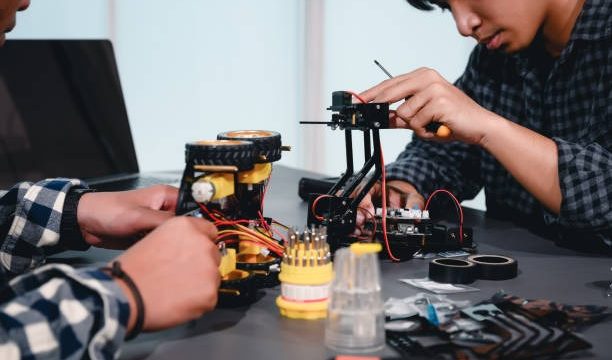
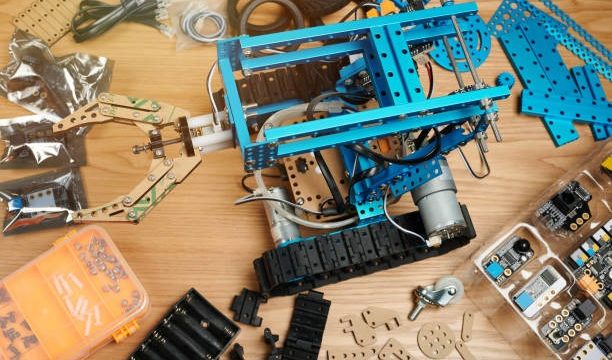
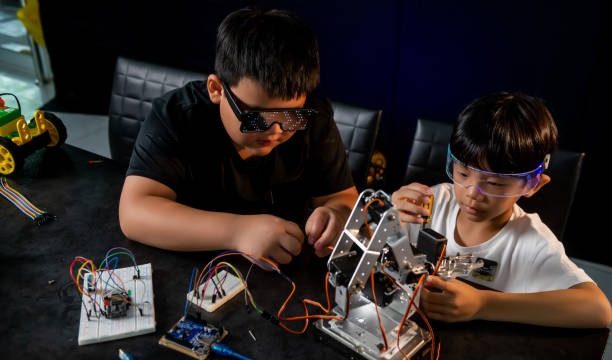
Another effective strategy is to use hands-on projects that resonate with children’s interests. Whether it’s building a simple website, creating a mobile app, or designing a robot, the key is to connect programming to something they are passionate about. If a child loves animals, for instance, they could create a game that involves caring for virtual pets. This personal connection makes the learning process more relatable and enjoyable. When children can see the direct impact of their coding skills, it boosts their confidence and encourages them to dive deeper.
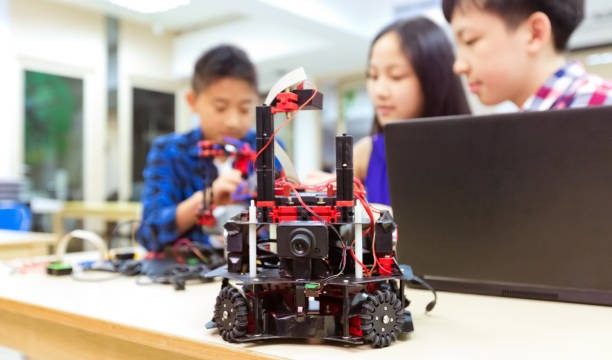
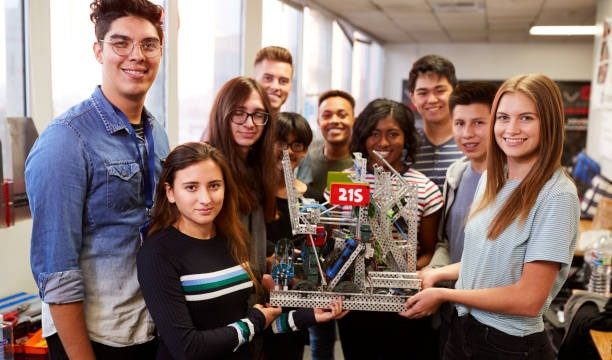
Collaboration can also enhance the learning experience. Working on group projects allows children to share ideas and learn from each other. They can brainstorm together, troubleshoot problems, and celebrate each other’s successes. This not only makes coding more enjoyable but also teaches valuable social skills. Encouraging teamwork fosters a sense of community, which can be particularly beneficial for young learners who may feel intimidated by the complexities of programming.
For parents and educators, creating a supportive environment is essential. Encouragement goes a long way in nurturing a child’s interest in programming. Celebrating small achievements, no matter how minor, can boost a child’s confidence and motivate them to keep going. Rather than focusing solely on the final product, it’s important to appreciate the effort and creativity that goes into the learning process. When kids know that their attempts are valued, they are more likely to embrace challenges and persist through difficulties.
Another gentle approach is to introduce unplugged activities that teach programming concepts without the use of screens. For example, coding can be taught through physical movement, where children give each other instructions to navigate a space. This not only reinforces the logic behind programming but also keeps kids active and engaged. Unplugged activities can be a refreshing break from digital devices, reminding kids that learning can be fun and interactive in many forms.
As technology evolves, so do the tools available for teaching programming. There are numerous resources, both online and offline, that cater to different age groups and skill levels. From engaging video tutorials to hands-on workshops, the options are abundant. Parents can explore local coding clubs or community centers that offer classes tailored for children. Finding the right resources can make a significant difference in how children perceive programming, transforming it from a daunting task into an exciting opportunity.
It’s also important to recognize that every child learns at their own pace. Patience is key when guiding young learners through the intricacies of programming. Some may grasp concepts quickly, while others might need more time and support. By fostering a nurturing environment where mistakes are viewed as learning opportunities, children can develop resilience and a growth mindset. This approach not only helps them in programming but in many other areas of life as well.
Encouraging creativity in programming is vital. Letting children experiment with their ideas and explore different ways to solve problems can lead to innovative thinking. Whether they’re coding a simple game or a complex animation, the freedom to express themselves can lead to unexpected and delightful results. This creative exploration can also spark a lifelong interest in technology and innovation.
As we navigate the journey of teaching programming to kids, it’s essential to remember that the goal is not just to impart technical skills but to inspire a sense of wonder and curiosity. By creating a learning environment that is fun, engaging, and supportive, we can help children develop a love for coding that will serve them well into their futures.
Ultimately, the most important lesson we can impart is that programming is not just about writing code; it’s about thinking creatively, solving problems, and expressing oneself. As we encourage our children to embrace the world of programming, we are not only equipping them with valuable skills but also nurturing the innovators and creators of tomorrow.
In this digital age, let’s make the journey of learning programming a joyful adventure, filled with creativity, laughter, and discovery. After all, the future belongs to those who dare to dream—and coding is just one of the many tools they can use to turn those dreams into reality.