In today’s digital world, understanding coding can feel as essential as learning to read or write.
The beauty of coding lies in its ability to empower children to create, innovate, and solve problems.
However, teaching kids coding doesn’t have to be a daunting task. With a bit of creativity and encouragement, you can introduce them to the world of programming in a fun and engaging way.
Fostering curiosity through play
Children are naturally curious, and harnessing that curiosity through play can be a delightful way to introduce coding concepts. Start by incorporating coding games and apps that make learning feel less like a chore and more like an adventure. Platforms like Scratch, Tynker, and Code.org offer interactive environments where kids can create their own games and animations. These tools encourage experimentation and creativity, allowing children to learn at their own pace while having fun.
Imagine your child designing a simple game where their character jumps over obstacles, or perhaps even a short animated story. Through these playful interactions, they will grasp fundamental coding concepts such as sequencing, loops, and conditionals without even realizing it. This gentle approach nurtures a love for learning, setting the stage for deeper understanding as they grow.
Bringing stories to life
Another engaging method to teach coding is through storytelling. Kids love stories, and weaving coding lessons into narratives can captivate their imagination. Consider creating a story where characters encounter challenges that require coding solutions. For instance, a character might need to find a way to cross a river, prompting discussions about algorithms and problem-solving.
You can also explore platforms that merge storytelling with coding, such as LightBot or CodeCombat. These tools present challenges within a narrative framework, making the learning process feel like an exciting quest. By framing coding lessons within a story, you create a rich context that enhances understanding and retention.
Hands-on projects and real-world applications
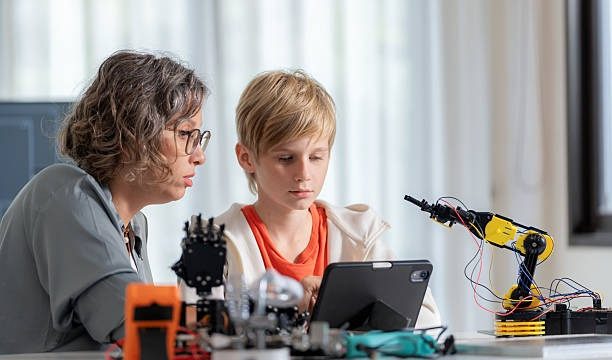
Nothing beats the excitement of seeing your creations come to life. Engaging children in hands-on projects can be a wonderful way to teach coding. Consider starting with simple robotics kits that allow kids to build and program their own robots. Kits like LEGO Mindstorms or littleBits are excellent choices that encourage creativity while teaching the basics of coding and engineering.
As children build and program their robots to complete tasks, they learn valuable skills such as critical thinking, collaboration, and perseverance. Moreover, you can encourage them to apply their coding skills to real-world problems. For example, if they’re interested in environmental issues, they could create a simple app that tracks recycling habits or promotes sustainability. This connection to real-life applications can spark their passion for coding and inspire them to think about how technology can make a difference.
Cultivating a coding community
Learning to code can feel isolating if approached alone. Encourage your child to find a community where they can share their experiences, collaborate, and learn from others. Look for local coding clubs, workshops, or online forums where young coders gather to exchange ideas and showcase their projects. This sense of community fosters collaboration and provides essential social interaction, making learning a more enriching experience.
In addition, consider involving family members in coding activities. Family coding nights can be a delightful way to bond while learning together. Set aside time to work on coding challenges or projects as a family. This shared experience not only strengthens relationships but also creates a supportive environment where children feel encouraged to explore and experiment.
Integrating coding into everyday life
You don’t have to rely solely on apps or structured lessons to teach coding. Everyday life offers countless opportunities to weave coding concepts into daily activities. For instance, when cooking, you can discuss the importance of following a recipe as a sequence of instructions, just like a computer follows code. This analogy helps children understand the importance of order in programming.
Another fun approach is to turn everyday activities into coding exercises. For example, while playing with building blocks, you can challenge your child to create a specific structure using a set of “instructions” you provide. This not only reinforces sequencing but also encourages problem-solving and creativity.
Encouraging patience and resilience
As with any new skill, learning to code can be challenging, and it’s essential to cultivate patience and resilience in kids. Encourage them to view mistakes as learning opportunities rather than failures. This mindset is crucial in coding, where debugging is often part of the process. Celebrate their perseverance and creativity, reinforcing that every coder encounters obstacles and that overcoming them is part of the journey.
To support this, share stories of famous programmers and innovators who faced setbacks before achieving success. These narratives can inspire children and remind them that persistence is key to mastering any skill, including coding.
Creating a balanced approach
While introducing coding is important, it’s equally essential to maintain a balanced approach to learning. Encourage children to explore various interests outside of coding, such as arts, sports, or music. This well-rounded experience will not only enhance their creativity but also provide a broader perspective that can enrich their coding skills.
Incorporating coding into a diverse array of activities ensures that your child develops a well-rounded skill set. This balance can lead to greater innovation and creativity, as they learn to draw connections between different disciplines.
In conclusion, teaching kids coding can be a rewarding journey filled with creativity, exploration, and fun. By fostering curiosity through play, integrating stories, engaging in hands-on projects, building community, and maintaining a balanced approach, you can cultivate a love for coding in your child. With your support, they can embark on a path that not only empowers them with valuable skills but also inspires them to dream big and innovate for the future.