Helping Preschoolers Build Confidence and Independence
As parents, caregivers, and educators, we often find ourselves in the delightful yet challenging position of nurturing the growth of young children.
Preschoolers, with their curious minds and boundless energy, are at a pivotal stage in their development.
It’s during these formative years that fostering confidence and independence can lay the groundwork for their future successes and emotional well-being. While the journey of encouraging these qualities may feel daunting at times, it can also be filled with joy and discovery.
Creating a nurturing environment is one of the first steps toward helping preschoolers develop confidence. Children thrive when they feel secure and supported, so it’s essential to cultivate a space where they can explore and express themselves freely. This doesn’t necessarily mean creating a perfect environment; rather, it’s about being present and engaged with them. When children know that they have a safe haven to return to, they are more likely to take risks, try new things, and learn from their experiences.
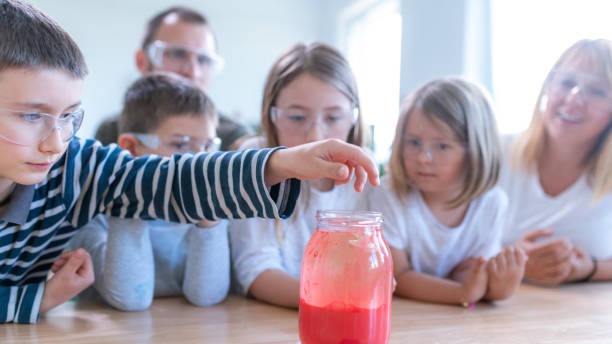
Encouraging exploration is vital in building confidence. Young children are naturally inquisitive, and allowing them to explore their surroundings can lead to significant growth. Whether it’s climbing a tree, building with blocks, or experimenting with art supplies, these activities promote problem-solving skills and creativity. When children are permitted to engage in exploration, they not only learn about the world around them but also about their own abilities and limits. It’s essential to give them the freedom to make choices and decisions, which fosters a sense of ownership over their actions and accomplishments.
A gentle shift toward balance can be incredibly beneficial for both children and caregivers. While it’s important to encourage independence, it’s equally important to provide support when needed. Striking a balance between allowing children to try things on their own and stepping in when they face challenges can help them build resilience. For instance, if a preschooler is struggling to put on their shoes, rather than immediately stepping in to help, you might encourage them with phrases like, “I know you can do it! Let’s see how far you get.” This approach reinforces their sense of capability while still offering support.
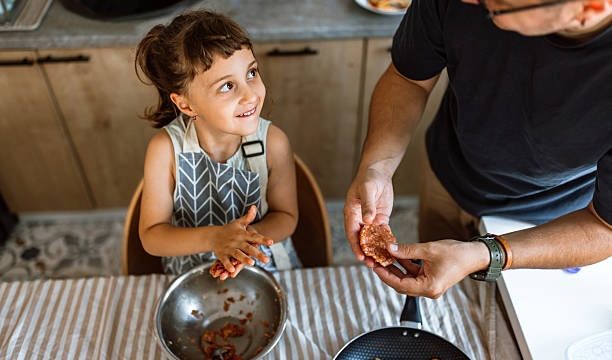
Establishing routines is another effective way to foster independence in preschoolers. Children thrive on predictability, and having a consistent daily routine can help them understand expectations and responsibilities. Simple tasks, like setting the table or tidying up toys, can be woven into their daily lives, giving them a sense of contribution and accomplishment. When children take ownership of small responsibilities, it builds their confidence and reinforces their ability to handle tasks independently.
Celebrating small achievements is a powerful practice that should not be overlooked. Every little victory, whether it’s learning to tie their shoes or successfully sharing a toy with a friend, deserves recognition. Acknowledging these moments with praise not only boosts their self-esteem but also encourages them to continue trying new things. It’s important to be specific in your praise, focusing on the efforts they put in rather than just the end result. This approach helps children understand that the journey of learning is just as valuable as the outcome.
Promoting problem-solving skills is another key aspect of nurturing independence. When children encounter challenges, instead of providing immediate solutions, ask guiding questions that encourage them to think critically. Questions like, “What do you think you could do next?” or “How might you approach this differently?” empower children to find their own solutions. This process not only builds their confidence but also enhances their cognitive abilities, allowing them to navigate future challenges more effectively.
Social interactions play a crucial role in building confidence and independence. Preschoolers are beginning to form friendships and learn how to navigate social dynamics. Encouraging playdates and group activities can provide valuable opportunities for them to practice social skills. During these interactions, children learn about sharing, cooperation, and empathy, all of which contribute to their overall confidence. As they engage with peers, they gain a sense of belonging and affirmation, which further reinforces their self-worth.
The language we use when communicating with preschoolers can significantly impact their confidence levels. Gentle encouragement and positive reinforcement create an atmosphere where children feel valued and understood. Instead of focusing on what they cannot do, it’s essential to highlight their strengths and potential. Simple affirmations like, “You are so brave for trying that!” or “I can see how hard you worked on this!” can instill a sense of pride and motivate them to keep pushing their boundaries.
Being a role model is perhaps one of the most impactful ways to instill confidence and independence in preschoolers. Children learn by observing the adults in their lives, so demonstrating confidence in your own actions can have a profound effect on them. When they see you tackling challenges, expressing your thoughts, and celebrating your own achievements, they are more likely to internalize those behaviors. Sharing your own experiences, including the ups and downs, can create a sense of connection and understanding, showing them that it’s okay to take risks and learn from mistakes.
Lastly, it’s important to remember that building confidence and independence is a gradual process. Each child is unique and will progress at their own pace. Patience and understanding are essential as they navigate this journey of self-discovery. By fostering a supportive environment, encouraging exploration, and celebrating their achievements, we empower preschoolers to grow into confident and independent individuals.
In conclusion, helping preschoolers build confidence and independence is a beautiful journey that requires intention, patience, and love. By creating a nurturing environment, encouraging exploration, establishing routines, and modeling positive behaviors, we can guide them toward becoming self-assured individuals. As they learn to navigate the world around them, they will carry these foundational skills into their future, ready to embrace life’s adventures with courage and resilience.