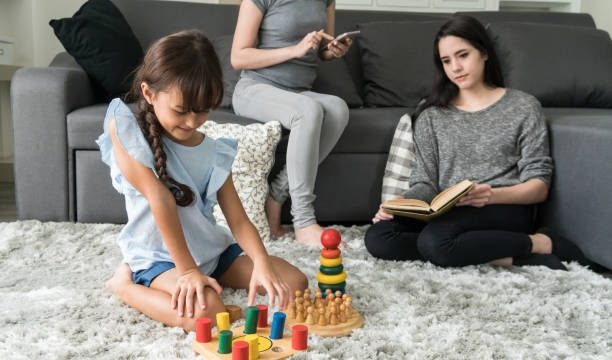
As parents and caregivers, we often wonder how to make learning enjoyable for our little ones.
The idea of turning playtime into math time might seem daunting at first, but it can be a delightful experience for both you and your child.
By incorporating mathematical concepts into everyday activities, you can create a natural, engaging environment that fosters a love for numbers without the pressure of traditional learning. This approach not only enhances their understanding but also strengthens your bond as you explore the world of math together.
A gentle introduction to numbers can happen during those spontaneous moments that arise throughout the day. For instance, while preparing a meal, you might invite your child to help measure ingredients. This simple act of pouring and scooping can introduce concepts such as volume and fractions. As they pour a cup of rice or count out a handful of beans, they are practicing essential math skills without even realizing it. You might ask questions like, “How many cups do we need?” or “What happens if we add one more?” This encourages them to think critically and engage with numbers in a meaningful way.
Exploring math through play can also be a wonderful way to spark curiosity. Consider incorporating math-themed games into your playtime routine. Board games that involve counting spaces, such as Chutes and Ladders, can seamlessly integrate math into fun. As you play, you can emphasize counting, addition, or even simple subtraction. The laughter and excitement of the game often overshadow the educational aspect, making it a joyful experience for everyone involved.
Storytime is another excellent opportunity to weave math into your child’s day. Choose books that incorporate numbers, shapes, or patterns. Many children’s books are designed to introduce these concepts in a captivating way. As you read together, pause to discuss the illustrations or ask questions that encourage your child to think about the math involved. For example, if a story mentions animals, you might ask, “How many animals do you see?” or “If we add two more, how many would there be?” This not only reinforces their understanding but invites them to participate actively in the narrative.
Outdoor play can also serve as a rich environment for mathematical exploration. Nature is full of opportunities for counting and measuring. While on a walk, encourage your child to collect leaves or stones. Once you’re home, you can sort and categorize their treasures by size, color, or shape. This kind of hands-on activity introduces concepts of sorting and classification, which are foundational in math. You might even turn it into a mini-science project by measuring the length of the leaves or the weight of the stones, fostering a connection between math and the natural world.
Incorporating math into arts and crafts can be equally rewarding. When engaging in creative projects, you can introduce concepts such as symmetry, shapes, and patterns. For example, while making a collage, you might discuss the different shapes of the materials being used. As your child glues down triangles, circles, and squares, you can talk about how many of each shape there are and how they can be combined to create new patterns. This not only enhances their artistic expression but also deepens their understanding of geometry.
A small shift toward balance can also be achieved through everyday conversations. As you navigate through your daily routine, try to infuse mathematical language into your discussions. Whether you’re talking about the time it takes to get ready in the morning or the number of steps to the car, using math vocabulary in context helps your child see the relevance of math in their lives. This can make them more comfortable and familiar with numbers, setting a positive tone for future learning.
Cooking together can be a delightful and educational experience as well. Beyond measuring ingredients, you can discuss time by timing how long it takes for a dish to bake or simmer. This not only teaches them about numbers but also about patience and the joy of anticipation. As you stir the pot or mix the batter, invite them to keep track of how many minutes are left. This way, they learn to relate math to real-life scenarios, making it a valuable part of their everyday experiences.
Encouraging your child to explore math in their own way is crucial. Allowing them to take the lead during playtime fosters independence and confidence. If they show interest in counting the number of toys they have or arranging them in a specific order, step back and let them explore. This autonomy not only enhances their problem-solving skills but also makes them more inclined to enjoy the learning process.
As you embrace these moments of learning through play, remember to celebrate their efforts, no matter how small. Acknowledging their achievements, whether they successfully counted to ten or recognized a pattern, reinforces their confidence and curiosity. This positive reinforcement can be a powerful motivator, making them eager to engage with math in the future.
Ultimately, the goal is to cultivate a natural curiosity about math that extends beyond the confines of a classroom. By integrating mathematical concepts into daily activities and play, you transform learning into an enjoyable journey. This approach nurtures a love for numbers and builds a strong foundation for future learning.
As you embark on this journey of turning playtime into math time, remember that the key is to keep it light and fun. The more your child associates math with enjoyable experiences, the more likely they will embrace it as a lifelong skill. So, the next time you find yourselves in the kitchen or out in nature, take a moment to explore the world of numbers together. You may just find that you both have a little more fun along the way.