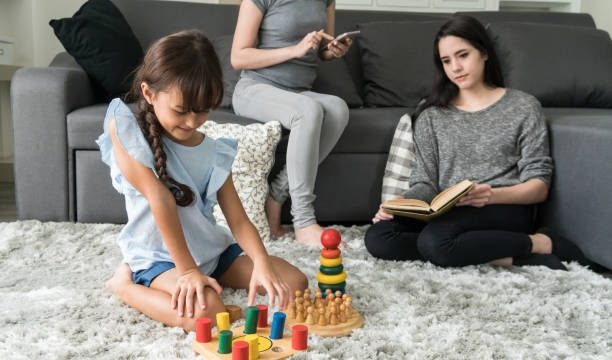
When it comes to nurturing the minds of young children, simple counting games can be a delightful way to blend learning with play.
These games not only help little ones grasp the concept of numbers, but they also encourage social interaction, creativity, and problem-solving.
Let’s explore some engaging counting games that can easily be incorporated into everyday life, fostering a love for numbers while creating precious memories.
In the world of early childhood education, play is often seen as the most effective teacher. Children are naturally curious, and when you introduce counting in a playful context, their engagement increases significantly. One of the simplest ways to start is through everyday activities that involve counting. Whether it’s counting the number of apples in a basket or the steps taken while exploring the park, everyday moments can become opportunities for learning.
A gentle beginning can be made with a classic game of “Counting to Ten.” This can be played anywhere, from the comfort of your living room to the backyard. Gather a few small items—like toys, blocks, or even leaves—and invite your child to count them out loud. As they count, encourage them to touch each item, reinforcing the connection between the number and the quantity it represents. This tactile experience not only makes counting enjoyable but also helps with fine motor skills.
Incorporating movement into counting games adds an exciting layer of engagement. A game like “Jump and Count” can be a fun way to get the wiggles out. Set a space where your child can jump safely and have them jump a certain number of times while counting aloud. You might say, “Let’s jump five times together!” This game not only encourages physical activity but also reinforces counting in a lively manner. You can switch it up by clapping, spinning, or even dancing to different numbers, making each session unique.
As your child becomes more comfortable with counting, consider introducing a simple scavenger hunt. This can be an indoor or outdoor activity, depending on your environment. Create a list of items for them to find, such as “three red toys” or “two leaves.” As they collect each item, they can count them, adding an element of adventure to their learning. This game not only enhances counting skills but also encourages observation and exploration, enriching their understanding of the world around them.
A small shift toward balance can be achieved through storytelling. Storybooks often provide a wonderful opportunity to integrate counting in a natural way. Choose books that incorporate numbers and counting, and read them together. As you turn the pages, pause to count the objects or characters within the illustrations. This approach combines literacy with numeracy, making it a holistic learning experience. Plus, the shared moments of reading can strengthen your bond and create a love for stories.
For a more structured activity, you might explore the idea of “Counting Crafts.” Gather some art supplies—paper, scissors, and crayons—and create a simple craft that involves counting. For example, you could make a caterpillar out of paper circles, with each circle representing a number. As you create, count each circle aloud together. This hands-on activity not only reinforces counting but also nurtures creativity, allowing your child to express themselves while learning.
As seasons change, so do the opportunities for counting games. Nature provides a rich backdrop for learning, and you can take advantage of this by incorporating seasonal themes. In the fall, for instance, you might go on a nature walk to collect pine cones or acorns. Encourage your child to count how many they’ve collected, discussing the colors and shapes along the way. In spring, counting flowers or butterflies can transform a simple outing into a delightful learning experience.
Another gentle way to support counting skills is through music. Songs that include numbers can be both catchy and educational. Singing along to tunes that count—like “Five Little Ducks” or “Ten in the Bed”—can help your child remember numbers in a fun and melodic way. Dance along as you sing, making it a lively and joyous activity that blends movement with learning.
As your child develops their counting skills, consider introducing simple board games that involve numbers. Games like “Chutes and Ladders” or “Candy Land” can be a wonderful way to practice counting in a playful context. While playing, encourage your child to count their moves and recognize the numbers on the board. This shared experience not only reinforces counting but also nurtures turn-taking and patience, essential social skills.
It’s important to remember that every child learns at their own pace. Celebrate small victories along the way, whether it’s counting to ten or recognizing numbers in their environment. Encouragement and praise can go a long way in fostering a positive attitude toward learning. Create an environment where mistakes are seen as opportunities for growth, instilling a sense of resilience and curiosity.
Finally, as you engage in these counting games, be sure to embrace the joy of the moment. The laughter, the shared experiences, and the sense of discovery are what truly matter. As you play together, you’re not just teaching numbers; you’re building memories that will last a lifetime. So, gather your materials, ignite your creativity, and let the counting adventures begin. Each number counted is a step toward a brighter future filled with endless possibilities.