In a world that often feels fast-paced and fragmented, the art of dialogue can seem like a lost treasure.
Yet, fostering the value of dialogue among students is an essential step towards nurturing thoughtful, empathetic, and engaged individuals.
It’s about more than just exchanging words; it’s about creating a space where ideas can flourish and understanding can deepen.
A gentle invitation to listen
At the heart of meaningful dialogue lies the ability to listen. In classrooms, where diverse perspectives converge, teaching students to truly listen can transform conversations. Listening is not merely a passive act; it’s an active engagement with others’ thoughts and feelings. When students learn to listen, they open the door to a world of understanding and connection.
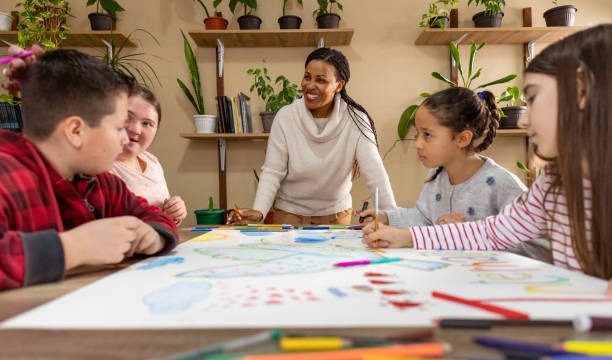
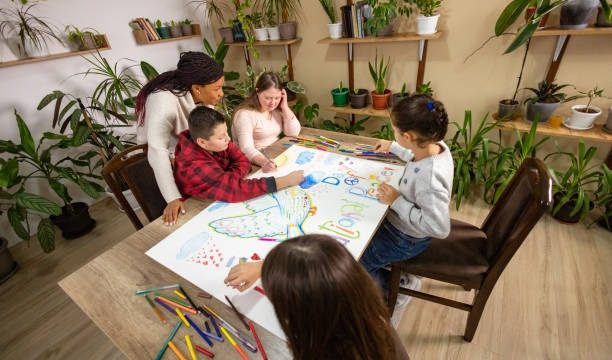
Encouraging this practice can be as simple as creating opportunities for small group discussions or one-on-one conversations. In these settings, students can share their thoughts in a supportive environment, where the focus is not on winning an argument but on exploring ideas together. As they practice listening, they begin to recognize the value of different viewpoints, fostering a sense of respect and empathy.
Cultivating curiosity through questions
Dialogue thrives on curiosity. When students ask questions, they are not only seeking information but also expressing a desire to engage with others. Encouraging students to pose thoughtful questions can lead to richer discussions. Instead of simply answering queries, teachers can model how to ask open-ended questions that invite exploration and reflection.
For instance, instead of asking, “What did you think of the book?” a teacher might encourage students to consider, “How did the characters’ choices reflect their values?” This shift invites deeper thinking and encourages students to articulate their thoughts while considering the perspectives of their peers.
Creating a safe space for expression
To engage in meaningful dialogue, students must feel safe to express their thoughts without fear of judgment. Educators play a crucial role in establishing this safe space. By fostering an environment of trust and respect, teachers can encourage students to share their ideas and experiences freely.
One effective approach is to set ground rules for discussions that promote inclusivity and respect. Simple guidelines, such as allowing everyone to speak and discouraging interruptions, can help create a supportive atmosphere. When students feel valued and heard, they are more likely to engage in open dialogue, leading to deeper connections and insights.
The power of storytelling
Storytelling is a powerful tool in the realm of dialogue. It allows students to share their experiences and perspectives in a way that resonates on a personal level. When students tell their stories, they invite others into their world, fostering empathy and understanding.
Incorporating storytelling into classroom discussions can be as simple as dedicating time for students to share personal anecdotes or reflections related to the topic at hand. This practice not only enriches the dialogue but also helps students see the common threads that connect them, even amidst diverse backgrounds and experiences.
Encouraging reflection and growth
Dialogue is not just about the exchange of ideas; it’s also about reflection and growth. After engaging in discussions, students can benefit from taking time to reflect on what they’ve learned. This reflection can take many forms, from journaling to group debriefs, allowing students to process their thoughts and feelings.
By encouraging students to think critically about their dialogue experiences, educators can help them recognize the value of different perspectives and the importance of respectful discourse. This practice not only enhances their understanding of the subject matter but also equips them with essential skills for future interactions.
Navigating disagreements with grace
In any dialogue, disagreements are bound to arise. Teaching students how to navigate these moments with grace is vital. Instead of viewing disagreements as obstacles, they can be seen as opportunities for growth and understanding.
Educators can model constructive disagreement by demonstrating how to express differing opinions respectfully. Encouraging students to articulate their viewpoints while remaining open to others’ perspectives fosters a culture of collaboration. This approach not only enriches the dialogue but also prepares students for real-world interactions, where differing opinions are inevitable.
Building a community of dialogue
Ultimately, the goal of teaching students the value of dialogue is to cultivate a community where open communication thrives. When students feel empowered to engage in thoughtful conversations, they contribute to a culture of respect and understanding.
Creating opportunities for dialogue beyond the classroom can further reinforce this community spirit. Organizing events such as debates, panel discussions, or community forums allows students to practice their dialogue skills in varied contexts. These experiences help solidify the importance of dialogue as a lifelong skill, enhancing their ability to connect with others in meaningful ways.
The journey toward understanding
As students learn the value of dialogue, they embark on a journey toward greater understanding—not just of others, but of themselves. This journey is marked by curiosity, empathy, and the willingness to engage with diverse perspectives. In a world that often emphasizes differences, teaching the value of dialogue can be a gentle reminder of our shared humanity.
In conclusion, fostering dialogue in educational settings is a profound gift we can give our students. By encouraging listening, cultivating curiosity, creating safe spaces, and embracing storytelling, we lay the groundwork for meaningful conversations that can shape their lives. As they navigate the complexities of communication, students will emerge not only as better learners but as compassionate individuals ready to engage with the world around them.