Creating an equitable classroom environment is essential for fostering an atmosphere where every student feels valued and heard.
At the heart of this endeavor lies communication—a tool that can either bridge gaps or create divides.
So how do we promote equitable classroom communication? It starts with understanding and embracing the unique voices within our educational spaces.
The importance of listening cannot be overstated. When we make a conscious effort to listen actively to our students, we not only validate their experiences but also encourage them to share more freely. This means giving our full attention, acknowledging their feelings, and responding thoughtfully. By doing so, we create a safe space where students feel empowered to express their thoughts and ideas.
A gentle shift in our approach can make a world of difference. Instead of focusing solely on the curriculum, consider integrating discussions that allow students to share their perspectives. This can be achieved through open-ended questions that invite deeper thinking. For instance, instead of asking, “What did you learn today?” try framing it as, “How did today’s lesson relate to your own experiences?” Such questions invite students to connect personally with the material, fostering a richer dialogue.
Creating an inclusive environment also involves recognizing and addressing the diverse backgrounds of our students. Each student comes with their own set of experiences, cultures, and viewpoints. By celebrating this diversity, we can cultivate a more dynamic classroom. This could mean incorporating multicultural literature, discussing global issues, or even inviting guest speakers from different backgrounds. These actions not only enrich the learning experience but also signal to students that their identities are valued.
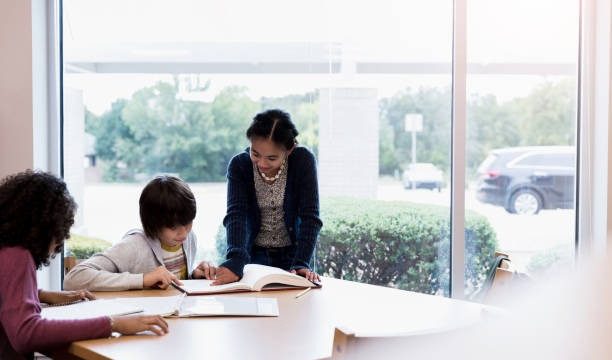
Another subtle yet powerful shift is to encourage peer-to-peer communication. Collaborative learning can be a transformative experience, allowing students to learn from one another while building mutual respect. Group activities or discussions can help break down barriers and encourage students to express their thoughts in a supportive environment. It’s essential to establish group norms that promote respect and openness, ensuring that every student feels comfortable contributing.
Embracing technology can also enhance equitable communication. In today’s digital age, many students feel more at ease expressing themselves through written communication. Online forums or classroom blogs can provide a platform for students who may be hesitant to speak up in traditional settings. These tools can help bridge the gap, ensuring that every voice is heard, regardless of the medium.
As educators, we must also be mindful of our own communication styles. Reflecting on how we convey information can help us connect with our students more effectively. Using inclusive language, maintaining an approachable demeanor, and demonstrating empathy can significantly impact student engagement. When students see that their teachers are genuinely interested in their thoughts, they are more likely to reciprocate.
It’s also important to cultivate a growth mindset within the classroom. Encouraging students to view challenges as opportunities for growth can transform their approach to communication. When students understand that making mistakes is a natural part of the learning process, they may feel more willing to share their ideas, knowing that their contributions are valued even if they aren’t perfect.
Creating a culture of feedback is another way to enhance communication. Regularly inviting students to share their thoughts on classroom dynamics, teaching methods, and even the curriculum can provide invaluable insights. This two-way communication fosters a sense of ownership among students, making them feel like active participants in their learning journey.
As we work toward equitable communication, it’s essential to be patient with ourselves and our students. Change takes time, and building a truly inclusive environment is an ongoing process. We might encounter challenges along the way, but these moments can serve as valuable learning experiences for both educators and students.
In our pursuit of equitable classroom communication, we must also acknowledge the role of community. Engaging families and caregivers in the educational process can strengthen the connection between home and school. Hosting workshops or informational sessions that address communication strategies can empower families to support their children’s learning. When families are involved, students often feel more supported and understood, which can enhance their willingness to communicate.
Lastly, remember that promoting equitable communication is not just about the words we use; it’s also about the relationships we build. Taking the time to get to know our students, their interests, and their aspirations can create a foundation of trust. When students feel a connection with their teachers, they are more likely to engage in open dialogue.
In conclusion, promoting equitable classroom communication is a multifaceted journey that requires intentionality, empathy, and a willingness to adapt. By creating a space where every voice is valued, we set the stage for deeper learning and understanding. As we strive to cultivate a more inclusive environment, let’s continue to nurture the connections that make our classrooms vibrant and enriching spaces for all. Through mindful communication, we can inspire our students to thrive, not just academically, but as compassionate individuals in a diverse world.