In today’s interconnected world, the ability to collaborate effectively with others is more important than ever.
As educators, we have the wonderful opportunity to nurture this skill in our students, allowing them to learn not just from textbooks but also from one another.
Teaching methods that encourage collaboration can transform the classroom into a vibrant community where ideas flourish and friendships blossom.
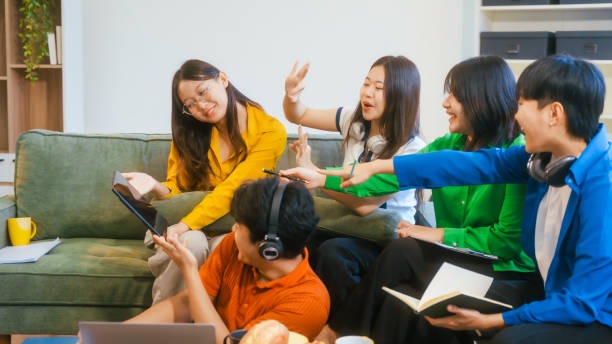
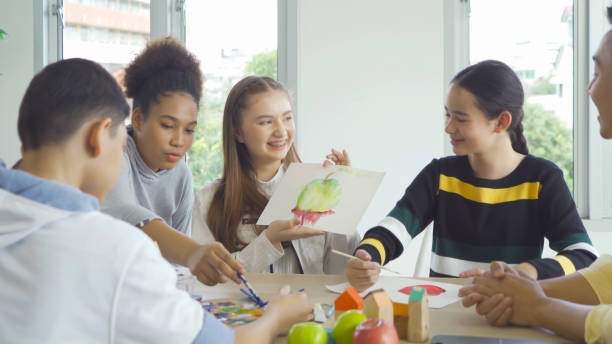
A gentle embrace of group work can be the first step toward creating a collaborative environment. When students come together to tackle a project or solve a problem, they engage in a dance of ideas, each contributing their unique perspective. This not only enhances their understanding of the subject matter but also helps them develop essential social skills. It’s about fostering a sense of belonging, where every voice is valued.
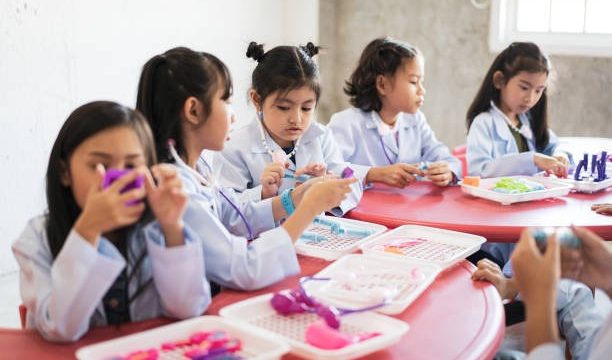
One effective approach is project-based learning, where students work in teams on a specific project over an extended period. This method allows them to dive deep into a topic, exploring it from various angles. For instance, while studying environmental science, a group might choose to investigate local pollution issues, conducting research, interviews, and even hands-on experiments. The collaborative nature of project-based learning encourages students to share responsibilities, brainstorm solutions, and learn from each other’s strengths.
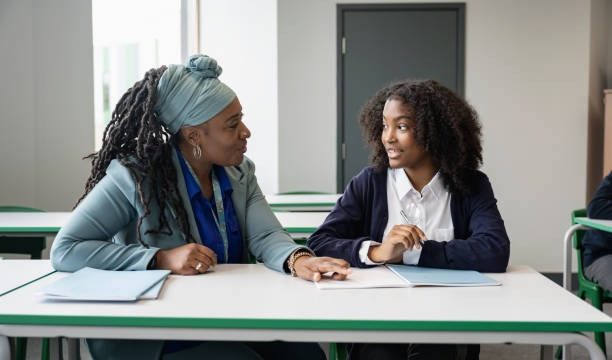
Incorporating cooperative learning structures can also enhance the collaborative spirit in the classroom. Techniques such as think-pair-share or jigsaw activities invite students to engage with their peers in a relaxed yet focused manner. In a think-pair-share activity, a teacher poses a question, allowing students to think individually before discussing their ideas with a partner. This not only gives them the chance to articulate their thoughts but also fosters active listening and respect for differing viewpoints.
The jigsaw method takes this a step further by assigning each student a specific role or section of a larger topic to become an expert in. Once they’ve mastered their part, they come together with their peers, sharing their knowledge to form a comprehensive understanding of the subject. This method not only promotes teamwork but also instills a sense of accountability, as each student’s contribution is crucial to the group’s success.
Creating a safe space for collaboration is equally essential. Students should feel comfortable expressing their ideas without fear of judgment. Establishing ground rules for respectful communication can help build this environment. Encouraging students to appreciate each other’s contributions, no matter how small, nurtures a culture of kindness and support. When students know that their thoughts are valued, they are more likely to engage openly and honestly.
Integrating technology into collaborative learning can add another layer of excitement. Online platforms and tools enable students to work together, regardless of their physical location. For example, a group can collaborate on a shared document, allowing them to brainstorm, edit, and refine their ideas in real-time. This not only enhances their technical skills but also prepares them for the collaborative nature of the modern workplace.
As educators, we can also model collaboration in our teaching practices. Sharing our own experiences of teamwork, whether in professional settings or personal projects, can inspire students. When they see us working together with colleagues, solving problems, and celebrating successes, they are more likely to understand the value of collaboration. It’s about creating a community of learners, where everyone is invested in each other’s growth.
A small shift toward balance can also occur when we encourage students to reflect on their collaborative experiences. After completing a group project, facilitating a discussion about what worked well and what challenges arose can be enlightening. This reflection not only reinforces the learning process but also helps students develop critical thinking skills as they analyze their group dynamics.
Emphasizing the importance of diverse perspectives is another gentle way to encourage collaboration. In a world rich with cultures, backgrounds, and experiences, embracing diversity in the classroom can lead to more innovative solutions and creative ideas. Encouraging students to share their unique viewpoints can enrich the learning experience and foster empathy among peers.
Incorporating service-learning projects can also be a beautiful way to cultivate collaboration. When students work together on projects that benefit their community, they develop a sense of purpose and belonging. Whether it’s organizing a local cleanup or volunteering at a shelter, these shared experiences not only strengthen their bonds but also instill a sense of responsibility toward others.
As we guide our students on their collaborative journeys, celebrating their successes, no matter how small, can be tremendously uplifting. A simple acknowledgment of a well-executed group presentation or a thoughtful discussion can boost morale and encourage continued engagement. When students feel appreciated, they are more likely to invest in future collaborative efforts.
Ultimately, fostering collaboration in the classroom is about creating a nurturing environment where students can grow together. By employing diverse teaching methods that emphasize teamwork, we help them develop not just academically but also socially and emotionally. As they learn to navigate the complexities of working with others, they are preparing themselves for a future where collaboration is key to success.
In this journey of learning together, we find the beauty of connection. The classroom becomes a space where ideas bloom, friendships flourish, and lessons are learned not just from books but from each other. Embracing these teaching methods is a step toward building a brighter future, one where collaboration is at the heart of every endeavor. Through teamwork, we cultivate not just knowledgeable individuals but compassionate, empathetic citizens ready to make a difference.