Teaching is often described as an art form, one that requires patience, creativity, and a deep understanding of both the subject matter and the students.
Yet, amidst the joys and challenges of guiding young minds, many educators find themselves grappling with the complexities of classroom management.
As distractions and disruptions arise, the atmosphere can become less than conducive to learning. This is where the concept of reflective teaching comes into play, offering a gentle path toward smoother classroom management.
Reflective teaching is a practice grounded in self-examination and continuous improvement. At its core, it encourages educators to pause, reflect, and assess their teaching methods and classroom dynamics. This process not only fosters personal growth but also enhances the learning environment for students. When teachers take the time to reflect on their practices, they can identify what works well and what may need adjustment, leading to a more harmonious classroom atmosphere.
A small shift toward balance can make a significant difference. Rather than viewing classroom management as a series of rules to enforce, educators can begin to see it as a relationship-building exercise. By reflecting on their interactions with students, teachers can gain insights into their own responses and those of their students. This understanding can create a more empathetic approach to managing behavior, one that prioritizes connection over correction.
In a reflective practice, teachers might start their day by considering their goals for the lesson and the dynamics they wish to cultivate. Are they seeking to foster collaboration among students? Do they want to create an environment where every voice is heard? By setting these intentions, educators can guide their actions and responses throughout the day, leading to a more focused and engaged classroom.
One of the most valuable aspects of reflective teaching is the ability to learn from experiences, both positive and negative. After a challenging day, it can be helpful for educators to take a moment to think about what transpired. What strategies worked? What didn’t? This reflection allows teachers to adapt and evolve, trying out new approaches that may resonate better with their students. It’s a gentle reminder that perfection is not the goal; rather, growth and adaptation are the keys to success.
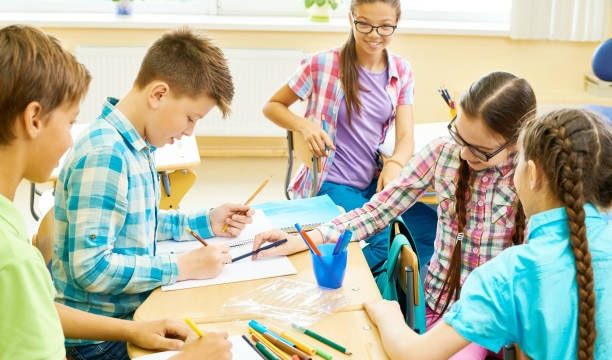
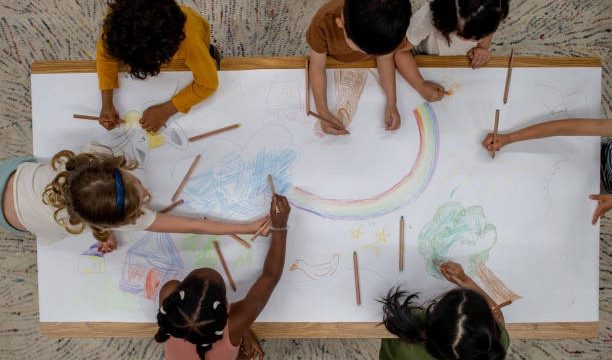
Creating a supportive learning environment is another essential component of reflective teaching. Teachers can take the time to consider how their classroom space and structure impact student behavior. Are the seating arrangements conducive to collaboration? Is the classroom a welcoming space that encourages creativity? By reflecting on these elements, educators can make small adjustments that lead to significant improvements in classroom management.
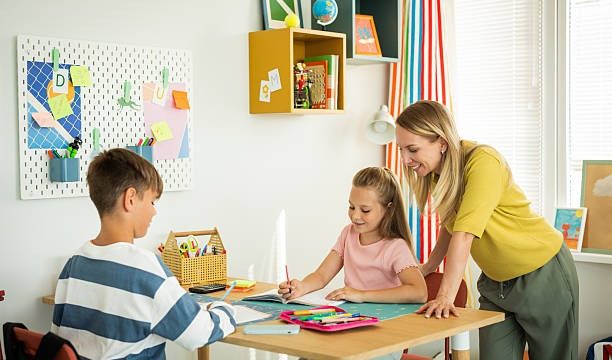
Engaging with students in a reflective manner can also foster a sense of ownership over their learning journey. When teachers invite students to share their thoughts on the classroom environment or their learning experiences, it creates a collaborative atmosphere. Students feel valued and heard, leading to increased motivation and a desire to contribute positively to the classroom community. This partnership between teacher and students can be transformative, as it encourages mutual respect and understanding.
In addition to fostering connections with students, reflective teaching can also enhance relationships among colleagues. Educators can benefit from sharing their reflections with peers, discussing strategies that have worked in their classrooms, and brainstorming solutions to common challenges. This collaborative approach not only builds a sense of community among educators but also enriches their teaching practices. By learning from one another, teachers can discover new methods and perspectives that enhance their overall effectiveness.
As educators embark on their reflective journeys, it’s essential to cultivate a mindset of compassion and patience. Change does not happen overnight, and the process of reflective teaching is ongoing. It requires a commitment to self-awareness and a willingness to embrace vulnerability. Teachers may encounter moments of frustration or doubt, but these experiences are part of the growth process. By approaching each day with an open heart and mind, educators can navigate the complexities of teaching with grace and resilience.
The role of self-care cannot be overlooked in the context of reflective teaching. Educators often pour their energy into their students, sometimes neglecting their own well-being. Taking time for personal reflection and self-care is vital for maintaining balance and preventing burnout. Simple practices like journaling, mindfulness, or even engaging in a favorite hobby can help teachers recharge and reconnect with their passion for teaching. When educators prioritize their own well-being, they are better equipped to create a nurturing environment for their students.
Ultimately, reflective teaching is about more than just classroom management; it’s about fostering a culture of growth and connection. By embracing this practice, educators can create spaces where students feel safe to express themselves, explore their curiosity, and engage deeply with their learning. The ripple effects of this approach extend beyond the classroom, influencing students’ lives in profound ways.
As we consider the journey of teaching, it becomes clear that reflective practice is not merely a strategy but a way of being. It invites educators to approach their work with intention, empathy, and a commitment to continuous growth. In a world that often feels rushed and chaotic, taking the time to reflect can lead to smoother classroom management and, ultimately, a more fulfilling teaching experience. Through this lens, educators can cultivate not only a thriving classroom but also a lifelong passion for learning and connection.