In today’s digital age, programming has become an essential skill for children to learn.
It’s not just about coding; it’s a way to foster creativity, problem-solving, and critical thinking.
Yet, the thought of diving into programming can seem daunting for some kids. Fortunately, there are many fun and engaging ways to introduce this exciting world to them. By incorporating play and creativity, children can develop a love for programming that lasts a lifetime.
One of the most delightful avenues for introducing programming is through games. Many children are naturally drawn to interactive play, and this can be a wonderful gateway into coding. Platforms like Scratch offer a colorful, engaging interface where kids can create their own games and animations. Scratch allows children to drag and drop blocks of code, making it feel more like a puzzle than traditional programming. As they create their own animations or games, they learn the logic behind coding concepts without the pressure of syntax errors.
Incorporating storytelling into programming can also be a magical experience. Kids love stories, and merging storytelling with coding can spark their imagination. For example, using tools like Twine, children can craft interactive narratives where their choices influence the outcome. This not only enhances their understanding of programming but also nurtures their storytelling skills. By blending creativity with logic, children can see how programming can bring their ideas to life.
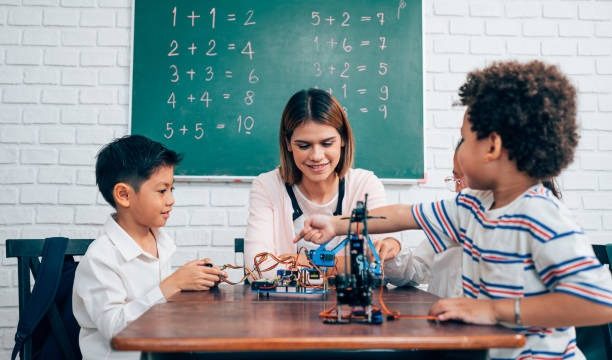
Another beautiful way to learn programming is through robotics. Many children have a natural curiosity about how things work, and building a robot can be an exciting project. Kits like LEGO Mindstorms or VEX Robotics allow kids to construct their own robots and program them to perform various tasks. This hands-on approach not only teaches coding but also encourages teamwork and perseverance. Watching a robot come to life through their programming can be a rewarding experience that reinforces their learning.
Art and coding can go hand in hand, creating a rich tapestry of creativity. Tools like Processing or p5.js enable children to create stunning visual art through code. These platforms allow kids to experiment with colors, shapes, and animations, transforming their artistic visions into digital masterpieces. As they manipulate code to create art, they learn about algorithms and logic in a way that feels intuitive and enjoyable. This fusion of art and technology can ignite a passion for programming that feels personal and inspiring.
For those who enjoy the outdoors, there are wonderful opportunities to learn programming through nature. Activities like coding with physical objects—think of programming a simple robot to navigate a garden path—can be both educational and adventurous. This approach encourages kids to engage with their environment while developing problem-solving skills. They learn to think critically about how to navigate obstacles, all while experiencing the joy of exploration.
The world of mobile applications also offers an exciting avenue for young programmers. Many children are already familiar with apps on tablets or smartphones, and creating their own can be a thrilling project. Platforms like App Inventor allow kids to design and develop their own applications without needing extensive coding knowledge. This hands-on experience not only teaches programming concepts but also empowers them to create something that could be shared with friends and family.
Incorporating programming into everyday life can also be a subtle yet effective way to nurture these skills. For instance, families can engage in activities like coding-themed board games or puzzles that challenge kids to think like a programmer. These games can be a fun way to bond as a family while reinforcing the principles of coding in a relaxed setting. It’s a gentle reminder that learning can happen anywhere, not just in a classroom.
In today’s world, digital literacy is becoming increasingly important. Encouraging children to learn programming is not just about preparing them for future careers; it’s about helping them navigate a world that is becoming more technologically driven. By framing programming as a fun and engaging activity, we can inspire the next generation to embrace learning in a way that feels natural and enjoyable.
As parents and caregivers, creating a supportive environment is key. Encouragement and patience go a long way in helping kids explore their interests. Celebrate their small successes and remind them that making mistakes is a part of the learning process. This nurturing approach fosters resilience and a growth mindset, essential traits for any aspiring programmer.
It’s also important to connect children with communities that share their interests. Many local libraries or community centers offer coding clubs or workshops for kids. These social interactions can provide a sense of belonging and motivate them to keep learning. Connecting with peers who share similar passions can be incredibly encouraging and can spark new ideas and collaborations.
Ultimately, learning programming should feel like an adventure rather than a chore. By integrating it into activities they already love, children can discover the joy of creativity and logic. Whether through games, storytelling, robotics, or art, there are countless ways to make programming a fun and integral part of their lives.
As we nurture the next generation of thinkers and creators, let’s embrace the many pathways to learning programming. By infusing fun into the process, we can inspire children to explore, create, and innovate. This journey not only equips them with valuable skills but also opens the door to a world of possibilities, ensuring that they are ready to thrive in an ever-evolving landscape. In the end, it’s about fostering a love for learning that goes beyond the screen, encouraging curiosity and creativity in all aspects of their lives.