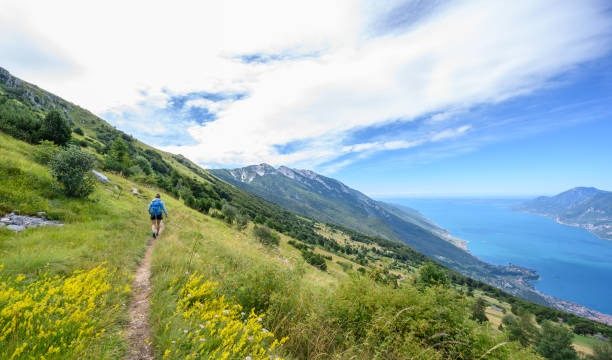
Geography in Cultural Studies
In a world that feels increasingly interconnected, the relationship between geography and culture becomes more fascinating and complex.
Geography is not just about maps and landscapes; it’s a vibrant tapestry that weaves together the stories, traditions, and identities of diverse communities.
Understanding geography in the context of cultural studies invites us to explore how our physical surroundings shape our experiences, beliefs, and interactions.
When we think about geography, it’s easy to imagine the physical attributes of places—the mountains, rivers, and cities that define our world. Yet, geography also encompasses the social, political, and economic dimensions that influence how cultures develop and thrive. It’s in this interplay that we find a rich field of study that reveals much about who we are as individuals and societies.
The essence of cultural geography lies in its ability to illustrate how different environments cultivate unique ways of life. Take, for instance, the difference between urban and rural settings. In bustling cities, the pace of life is often fast, and cultural expressions may be influenced by the diversity of people who converge in these spaces. Art, food, and music reflect this melting pot of experiences, creating a vibrant cultural scene that’s constantly evolving. In contrast, rural areas may foster a stronger connection to tradition and community, where cultural practices are often passed down through generations, deeply rooted in the land and its history.
The concept of place is central to understanding how geography informs culture. Each location carries its own narrative, shaped by historical events, economic conditions, and social structures. This narrative is not static; it evolves as people interact with their environment and with one another. For example, think about how coastal communities often develop a culture centered around the sea. Fishing, maritime traditions, and local cuisine become integral to their identity, influencing everything from festivals to everyday practices.
Another intriguing aspect of geography in cultural studies is the notion of space. The way we occupy and interpret space can vary tremendously across different cultures. Consider how personal space is perceived in various regions. In some cultures, close physical proximity is a sign of warmth and connection, while in others, it may be seen as intrusive. These subtle variations in spatial awareness can deeply affect social interactions, communication styles, and even conflict resolution.
As we delve deeper into this topic, it’s essential to recognize the impact of globalization. The advent of technology and communication has blurred the lines between cultures, creating a shared global space. While this has led to the exchange of ideas and practices, it has also raised questions about cultural homogenization. Are we losing the unique characteristics of local cultures in favor of a more uniform global identity? Or can we find a way to celebrate diversity within this interconnected world?
Exploring cultural geography also invites us to examine the role of identity. Our sense of self is often tied to the places we inhabit and the cultures we engage with. For many, cultural identity is a source of pride, shaping how we view ourselves and relate to others. Understanding geography allows us to appreciate the nuances of identity formation, particularly in multicultural societies where multiple influences coexist.
A small shift toward balance can occur when we approach cultural studies with an open mind and heart. Rather than viewing cultures as isolated entities, we can embrace the idea that they are fluid and dynamic. This perspective encourages us to appreciate the beauty of diversity while recognizing the common threads that unite us as human beings.
Art, literature, and music provide powerful lenses through which we can explore the intersection of geography and culture. These creative expressions are often deeply rooted in specific places, reflecting local histories, landscapes, and societal issues. For instance, the works of authors who write about their hometowns often evoke a strong sense of place, inviting readers to experience the sights, sounds, and emotions tied to that geography.
In contemporary society, the importance of cultural studies in geography has never been more relevant. As we navigate global challenges such as climate change, migration, and cultural preservation, understanding the geographical context of these issues is crucial. It empowers us to make informed decisions and fosters empathy for those whose experiences may differ from our own.
In this journey through geography and cultural studies, we discover that our surroundings shape not only our physical experiences but also our emotional landscapes. The mountains we climb, the rivers we cross, and the cities we inhabit all contribute to the narratives we tell about ourselves and each other.
As we engage with these ideas, let us remember the power of storytelling. Every place has a story, and every culture adds its voice to the rich symphony of human experience. By listening to one another and exploring the geographical contexts of our lives, we can cultivate a deeper understanding of the world around us and our place within it.
Ultimately, geography in cultural studies is a reminder that we are all part of a larger narrative. It invites us to explore the beauty of diversity, the complexity of identity, and the significance of place in shaping our lives. As we continue to learn and grow, let us embrace the connections that geography fosters, enriching our understanding of culture and, in turn, ourselves.
In this ongoing exploration, we find not just knowledge but also a sense of belonging, a reminder that we are all part of this intricate web of life, shaped by the landscapes we inhabit and the cultures we celebrate.