In a world that often feels hurried and disconnected, the importance of kindness cannot be overstated, especially in early learning environments.
These formative years are not just about acquiring knowledge; they are also about building the foundation for social and emotional development.
Encouraging kindness in early learning settings helps children cultivate empathy, develop strong relationships, and create a nurturing atmosphere where everyone feels valued.
The journey toward fostering kindness begins with the adults in the room. Educators and caregivers serve as role models, demonstrating the importance of empathy through their actions and words. Simple gestures, such as greeting each child with a warm smile or offering comforting words during moments of sadness, set a powerful example. Children are naturally observant, and they learn how to treat others by watching the adults around them. By embodying kindness, teachers can inspire their students to do the same.
Creating a culture of kindness in early learning settings also involves integrating kindness into the curriculum. This can be done in various ways, such as storytelling, where tales of friendship and compassion can spark meaningful conversations. Books that highlight diverse characters and experiences help children see the world from different perspectives. When children relate to the struggles and triumphs of others, they begin to understand the importance of being kind and supportive.
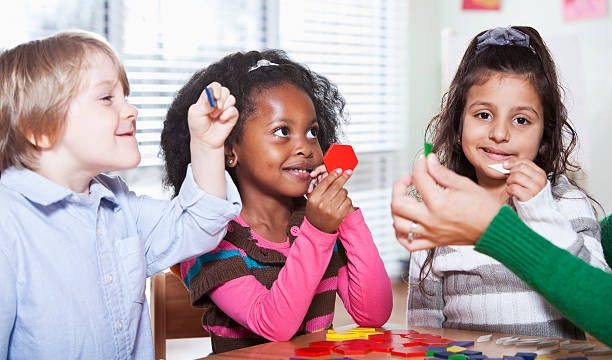
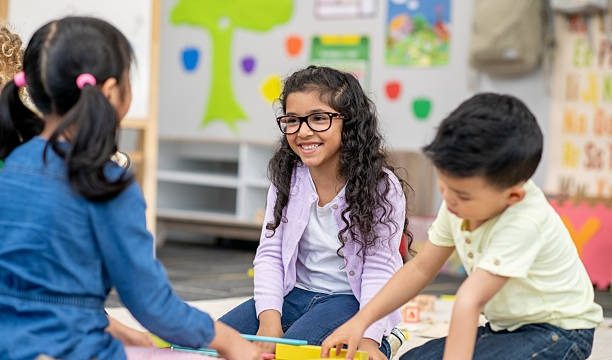
Art and play are also wonderful avenues for promoting kindness. Activities that encourage collaboration, such as group art projects or team games, allow children to practice sharing, taking turns, and celebrating each other’s successes. Through these experiences, they learn the joy of giving and the value of teamwork. It is in these playful moments that children can truly grasp the essence of kindness and how it enriches their interactions.
A gentle reminder to share feelings can also be woven into daily routines. Circle time or group discussions offer a safe space for children to express their emotions and thoughts. Encouraging children to share how they feel—whether happy, sad, or frustrated—helps them recognize their own emotions and those of their peers. This practice nurtures emotional intelligence, allowing children to respond to others with compassion and understanding.
Recognizing acts of kindness, no matter how small, reinforces positive behavior. Celebrating moments when children demonstrate kindness towards one another can be as simple as verbal praise or a sticker chart showcasing their kind acts. This acknowledgment serves as a gentle nudge, encouraging them to continue their compassionate behavior. Children thrive on recognition, and knowing that their kindness is valued motivates them to engage in more acts of goodwill.
Incorporating kindness into the physical environment can also enhance a sense of community. Classrooms adorned with messages of kindness and empathy create an inviting atmosphere where children feel safe and supported. Visual reminders, such as a kindness tree where children can add leaves for each kind act they perform, can inspire ongoing conversations about the importance of being kind.
Parents play a crucial role in this journey as well. Communicating with families about the value of kindness at home can create a consistent message for children. Sharing stories, experiences, and even simple kindness challenges can encourage families to practice kindness in their daily lives. When children see their parents engaging in kind actions, they are more likely to emulate those behaviors in their early learning settings.
Another essential aspect of fostering kindness is teaching conflict resolution. Disagreements are a natural part of growing up, and guiding children through these moments helps them develop crucial social skills. Instead of merely stepping in to resolve conflicts, educators can encourage children to express their feelings and find solutions together. This approach empowers them to navigate their relationships with empathy and respect, reinforcing the idea that kindness can lead to harmonious resolutions.
As children grow and develop, the lessons they learn about kindness in early learning settings will stay with them throughout their lives. These early experiences shape their understanding of human connection and the importance of treating others with care. By nurturing a culture of kindness, educators and caregivers lay the groundwork for future generations who prioritize empathy and compassion.
In a time when kindness is often overshadowed by negativity, the early learning environment can serve as a beacon of hope. It is a place where children can discover the beauty of human connection and learn to embrace the differences that make us unique. By encouraging kindness, we not only enrich the lives of our children but also contribute to building a more compassionate world.
As we reflect on the importance of kindness in early learning settings, it becomes clear that even the smallest actions can have a profound impact. A simple smile, a comforting hug, or a heartfelt compliment can create ripples of positivity that extend far beyond the classroom. In nurturing kindness, we are nurturing the future—one child at a time.
Creating a warm environment where kindness flourishes is a collective effort. When educators, families, and communities unite in this mission, we can cultivate a generation that values empathy and compassion. The journey may be gradual, but every step taken toward fostering kindness is a step toward a brighter, more connected future.