In today’s digital age, programming is becoming an essential skill for children to learn, yet the idea of teaching coding can sometimes feel daunting.
However, it doesn’t have to be.
With a little creativity and a playful approach, introducing programming concepts to kids can be both enjoyable and rewarding. By weaving fun into the learning process, we can inspire curiosity and a love for technology that lasts a lifetime.
Creating a playful environment is key to sparking interest in programming. Kids are naturally curious and imaginative, and these qualities can be harnessed to make learning to code feel like an adventure. Starting with simple, engaging activities can help demystify programming and show children that it’s not just about writing lines of code, but about solving problems and expressing creativity.
One of the most effective ways to introduce programming is through games. There are numerous apps and online platforms designed specifically for kids that turn coding into a fun game-like experience. For instance, platforms like Scratch allow children to create their own animations and games using a block-based coding system. This visual approach helps them grasp fundamental concepts without feeling overwhelmed by syntax or complex terminology. When children see their creations come to life, it fosters a sense of accomplishment and encourages them to explore further.
Storytelling is another wonderful avenue for teaching programming. Kids love stories, and integrating coding with storytelling can capture their imagination. Encourage them to create their own interactive stories where they decide the characters, settings, and plot twists. By using programming to control the narrative, children learn logical thinking and sequencing—crucial skills in coding—while also engaging their creative minds. This blend of narrative and technology can transform learning into an exciting journey.
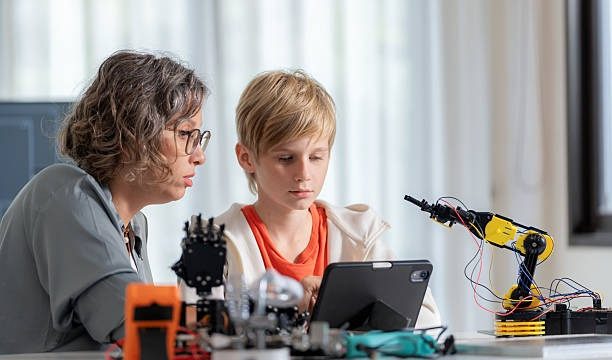
Incorporating hands-on activities can also enhance the programming experience. Simple robotics kits provide an excellent way to introduce programming concepts in a tactile manner. Building a robot and then programming it to move, dance, or follow lines on the floor offers a tangible outcome that kids can see and interact with. The satisfaction of watching their robot respond to their commands reinforces the link between coding and real-world applications.
As children become more comfortable with programming, introducing them to group projects can foster collaboration and teamwork. Working together to create a game or solve a problem encourages communication and the sharing of ideas. It also teaches them that coding can be a social activity, breaking the stereotype of the lone programmer. This collaborative spirit not only enhances their learning experience but also helps build important social skills.
A gentle shift toward balance is essential when teaching programming. While it’s easy to get caught up in the excitement of new technology, it’s important to remind kids to take breaks and step away from screens. Encourage outdoor play, reading, or engaging in other creative hobbies. This balance nurtures a well-rounded development and prevents burnout.
It’s also vital to celebrate progress, no matter how small. Children thrive on positive reinforcement, and acknowledging their achievements can boost their confidence. Whether they’ve successfully created a simple game or debugged a tricky piece of code, celebrating these milestones fosters a growth mindset. This approach helps them understand that learning is a journey filled with ups and downs, and that persistence is key to overcoming challenges.
As parents or educators, our role is to guide and support children in their programming journey. It’s important to create an open environment where questions are welcomed, and mistakes are seen as part of the learning process. Encouraging kids to ask “why” and “how” nurtures their critical thinking skills and helps them develop a deeper understanding of the concepts they are learning.
Incorporating diverse resources can also enhance the learning experience. From books that introduce programming concepts to online tutorials that offer step-by-step guidance, the variety of materials available can cater to different learning styles. Whether a child learns best through reading, visual aids, or hands-on activities, there’s a wealth of resources to explore together.
Engaging with communities that share a passion for programming can further enrich a child’s experience. Many local organizations and online forums offer workshops and coding clubs specifically for kids. These environments provide opportunities for children to connect with peers who share their interests, fostering friendships and collaboration. Being part of a community can also inspire them to take on challenges and explore new areas within the world of coding.
As we guide children through the fascinating world of programming, it’s essential to instill a sense of wonder and excitement. Remind them that coding is not just about technology, but about creativity, problem-solving, and innovation. Encourage them to dream big and think about how they can use their skills to make a difference in the world.
Ultimately, teaching programming to kids can be a joyful experience that nurtures their creativity and critical thinking. By approaching it with playfulness and curiosity, we can help them discover the endless possibilities that coding offers. As they embark on this journey, let’s celebrate their achievements and support them in becoming the innovative thinkers of tomorrow. With a little fun and a lot of encouragement, we can inspire the next generation of coders to explore, create, and change the world.