Teaching is an art, and like any art form, it requires adaptation and evolution.
As classrooms become increasingly diverse, educators are presented with the beautiful challenge of guiding bilingual learners.
These students bring a rich tapestry of language and culture that enriches the educational experience for everyone involved. However, to truly support these learners, teachers must embrace a flexible approach that respects their unique backgrounds and learning styles.
Creating a welcoming environment is a vital first step. When students feel safe and valued, they are more likely to engage actively in their learning journey. This atmosphere can be cultivated by incorporating elements from the students’ languages and cultures into the classroom. Simple gestures, like displaying multilingual signs or celebrating cultural holidays, can foster an inclusive space where everyone feels a sense of belonging.
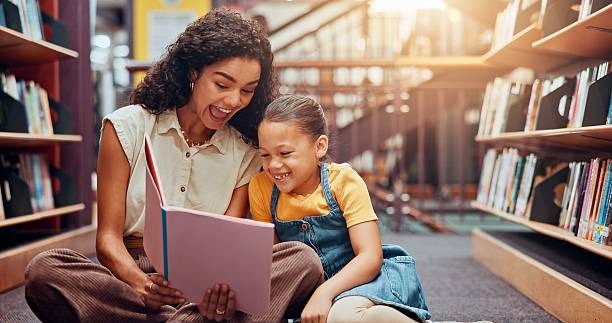
In addition to creating a welcoming environment, it’s essential to recognize the varying levels of language proficiency among bilingual learners. Some students may be fluent in both languages, while others may still be developing their skills in one or both. This disparity calls for a nuanced approach to teaching. Teachers can facilitate language development by integrating the students’ home languages into lessons. For instance, using bilingual books or providing resources in both languages can help bridge any gaps in understanding and make learning more relatable.
Another gentle shift toward balance comes through the use of visual aids. Many bilingual learners benefit from visual representations of concepts, as these can help clarify meaning and context. Incorporating images, charts, and videos into lessons can enhance comprehension, making it easier for students to grasp complex ideas. Additionally, these tools can serve as a springboard for discussion, allowing students to express themselves in either language and encouraging peer collaboration.
Fostering peer interaction is another effective strategy. Group work and collaborative activities can promote language use in a natural setting. By encouraging students to work together, teachers create opportunities for bilingual learners to practice their language skills in a supportive environment. This not only helps with language acquisition but also builds social connections that are vital for emotional well-being.
Culturally responsive teaching is also an important aspect of adapting teaching styles for bilingual learners. This means incorporating diverse perspectives and teaching materials that reflect the students’ backgrounds. When learners see their culture represented in the curriculum, it validates their experiences and promotes a deeper connection to the material. Teachers can draw upon local resources, literature, and historical contexts that resonate with their students, making lessons more engaging and meaningful.
Flexibility in assessment practices can further support bilingual learners. Traditional testing methods may not accurately reflect their understanding or capabilities. Instead, offering varied assessment options, such as presentations, projects, or portfolios, allows students to demonstrate their knowledge in ways that align with their strengths. This approach not only alleviates anxiety but also encourages creativity and critical thinking.
Engaging parents and families in the educational process is another vital component. Many bilingual learners thrive when their families are actively involved in their education. Teachers can facilitate this by providing resources and information in the families’ preferred languages, hosting multilingual parent-teacher meetings, or creating community events that celebrate cultural diversity. By building strong home-school connections, educators can create a supportive network that empowers students to succeed.
As educators adapt their teaching styles, it’s also important to take care of their own well-being. Teaching bilingual learners can be rewarding, yet it can also be demanding. Practicing self-care ensures that teachers remain energized and passionate about their work. This might involve engaging in professional development opportunities, connecting with fellow educators for support, or simply taking time for personal reflection. When teachers feel balanced and fulfilled, they can better nurture their students’ growth.
Ultimately, adapting teaching styles for bilingual learners is about embracing diversity and fostering an inclusive learning environment. It requires a commitment to understanding each student’s unique needs and strengths. By creating welcoming spaces, utilizing diverse resources, promoting peer interaction, and involving families, educators can empower bilingual learners to thrive academically and socially.
The journey of teaching is not a solitary one; it’s a collaborative dance between educators, students, and families. Each step taken toward inclusivity and understanding enriches the learning experience for everyone involved. As we continue to embrace the beauty of bilingualism in our classrooms, we create a vibrant tapestry of knowledge and connection that benefits all students.
In this ever-evolving landscape of education, the key is to remain open-minded and adaptable. With each small shift we make, we can transform our classrooms into spaces where bilingual learners not only succeed but flourish. It’s a journey worth taking, one that promises to enrich the lives of students and educators alike.