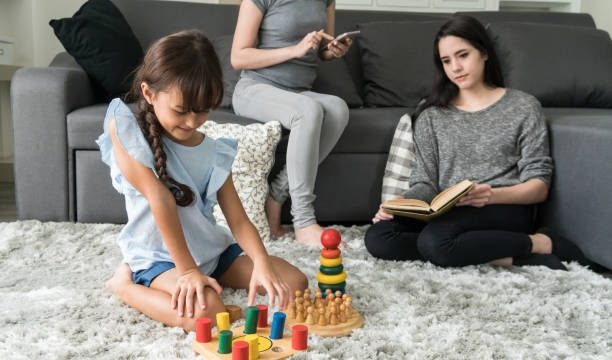
Teaching children to compare quantities is an essential skill that lays the foundation for their understanding of mathematics and the world around them.
It’s a gentle journey that we can embark on together, nurturing their natural curiosity and helping them develop a sense of balance in understanding numbers.
From an early age, children are surrounded by quantities. Whether it’s the number of toys in their room, the cookies on a plate, or the friends they have at school, they encounter situations where they need to make comparisons. By guiding them through these experiences, we can help them grasp the concept of quantity in a way that feels both natural and intuitive.
A small shift toward balance
One of the most effective ways to teach children about quantities is through everyday activities. Cooking is a wonderful opportunity to introduce them to measuring ingredients. As you pour flour or sugar, you can discuss how two cups of flour is greater than one cup, or how half a cup is less than a full cup. This not only helps them visualize quantities but also gives them a sense of accomplishment as they contribute to a delicious meal.
When you’re out and about, you can also seize moments to compare quantities. A trip to the grocery store can become a playful learning experience. As you select fruits or vegetables, ask questions like, “Which pile has more apples?” or “Do we have enough oranges for everyone?” This encourages them to engage with their surroundings and think critically about what they see.
Building a foundation through play
Playtime is another excellent avenue for teaching children about quantities. Simple games involving counting, sorting, and comparing can be both fun and educational. For instance, using building blocks, you can encourage your child to create towers of different heights. Ask them questions about which tower is taller or shorter, and invite them to describe their observations. This kind of play fosters not only their mathematical skills but also their ability to articulate their thoughts.
In addition to physical play, consider introducing board games that involve counting or resource management. Games like these can enhance their understanding of quantities while promoting social interaction and teamwork. The laughter and excitement that come from play will make learning feel effortless and enjoyable.
Nature as a classroom
The great outdoors is another perfect setting for teaching children about quantities. Nature is full of opportunities to explore comparisons. A walk in the park can turn into a lesson on counting leaves or stones. You might ask your child to compare the number of flowers in one area to another or to notice how many birds are perched on a tree versus how many are flying. These observations help children connect the concept of quantity to the world around them, reinforcing their learning in a tangible way.
Gardening can also be a fruitful activity for this purpose. As children plant seeds, they can count how many they are placing in the soil and later observe how many sprout. This hands-on experience teaches them about growth, change, and the passage of time, all while making comparisons along the way.
Encouraging critical thinking
As children become more comfortable with comparing quantities, it’s essential to encourage their critical thinking skills. Ask open-ended questions that prompt them to explore their reasoning. For instance, if they say there are more cars on one side of the street than the other, you might ask, “How do you know?” This encourages them to articulate their thought process and develop a deeper understanding of the concept.
It’s also important to create an environment where mistakes are seen as a part of learning. If they miscalculate or draw an incorrect conclusion, gently guide them back to the question at hand. This not only helps them learn from their errors but also fosters resilience and a growth mindset.
The power of storytelling
Stories have a unique way of capturing children’s imaginations and can be an effective tool for teaching about quantities. You might read them tales that involve counting or comparing, such as classic fables or modern children’s books that incorporate numbers. As you read, pause to ask questions about the quantities mentioned in the story. This interactive approach keeps them engaged and helps solidify their understanding.
Additionally, you can create your own stories together. Encourage your child to invent a tale that involves a character who needs to gather a certain number of items or faces a challenge related to quantities. This can be a delightful way to reinforce their learning while tapping into their creativity.
Cultivating a lifelong love of learning
Ultimately, teaching children to compare quantities is about more than just numbers; it’s about fostering a love of learning. By integrating these lessons into daily life, you’re not only helping them develop essential skills but also showing them the joy that comes from exploring and discovering.
As they grow, these foundational skills will serve them well, paving the way for more complex mathematical concepts and critical thinking abilities. The goal is to create a nurturing environment where they feel confident in their abilities and excited about the world of numbers.
In conclusion, the journey of teaching children to compare quantities is a beautiful blend of play, exploration, and discovery. By using everyday experiences, engaging in playful activities, and encouraging critical thinking, we can help our children develop a solid understanding of quantities. As they navigate this learning path, they will build confidence and curiosity that will last a lifetime. Embrace this opportunity to share in their learning adventure, and watch as they flourish in their understanding of the world around them.